The Ideal Congregant
Since my investiture as Cantor-Educator in 1958, I have often thought and wondered…
“What is the most essential offering a congregant can provide to our temple?”
Is it attending services? Donating to temple? Studying Torah? Singing in the choir? Greeting congregants before services? Serving on a committee? Editing the monthly bulletin? Being a board member? Or something else?
What is it? What is the best thing a congregant can offer?
It is a sense of commitment.
A sense of commitment - giving your time, energy and being involved. This leads to them all.
The Drive for Choir Membership
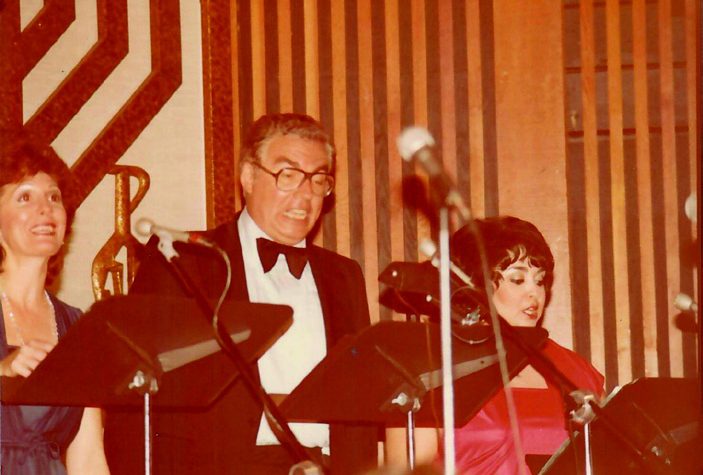
Singing in the choir is not only a joyful experience, but also a beautiful commitment to temple life.
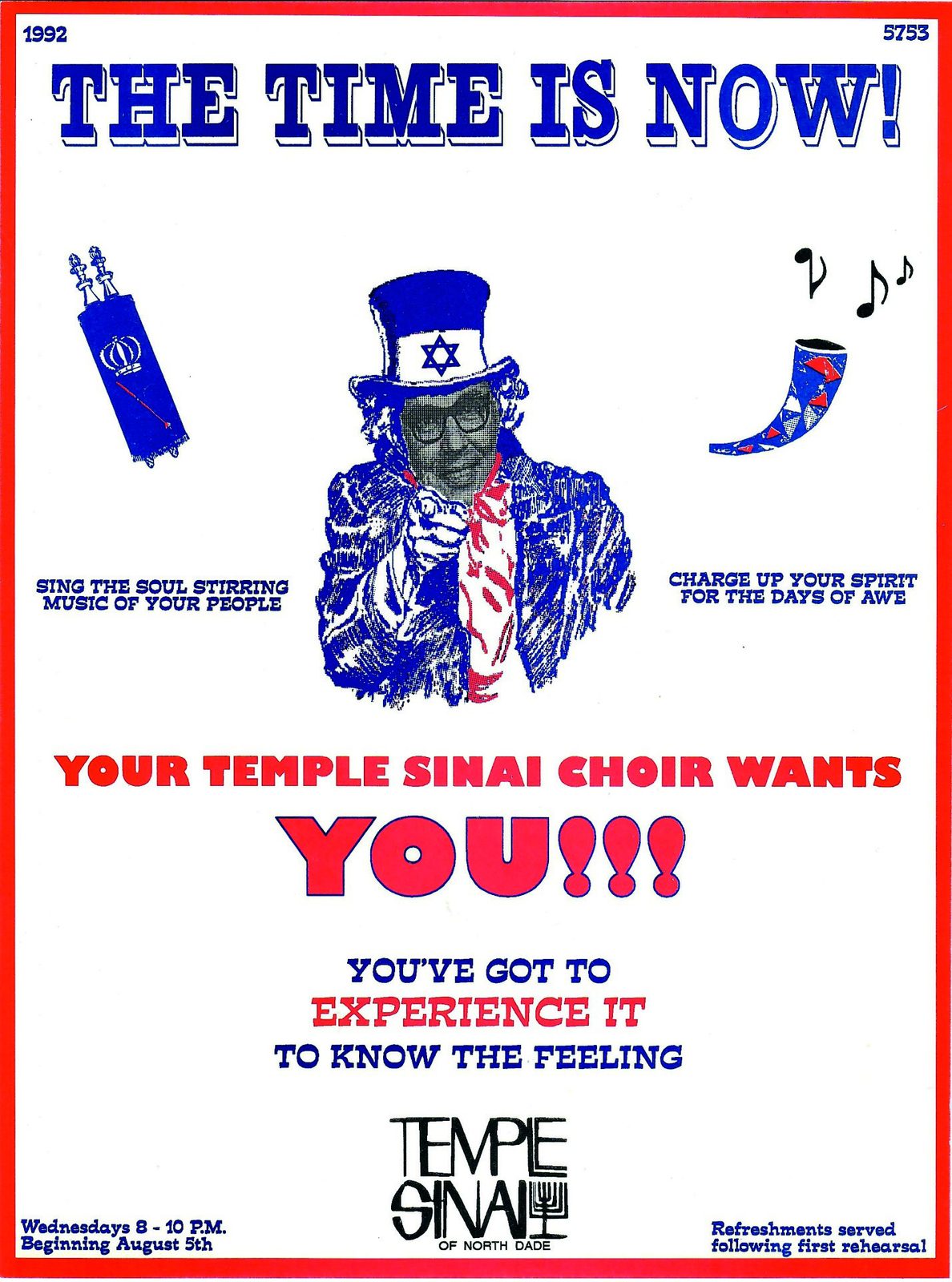
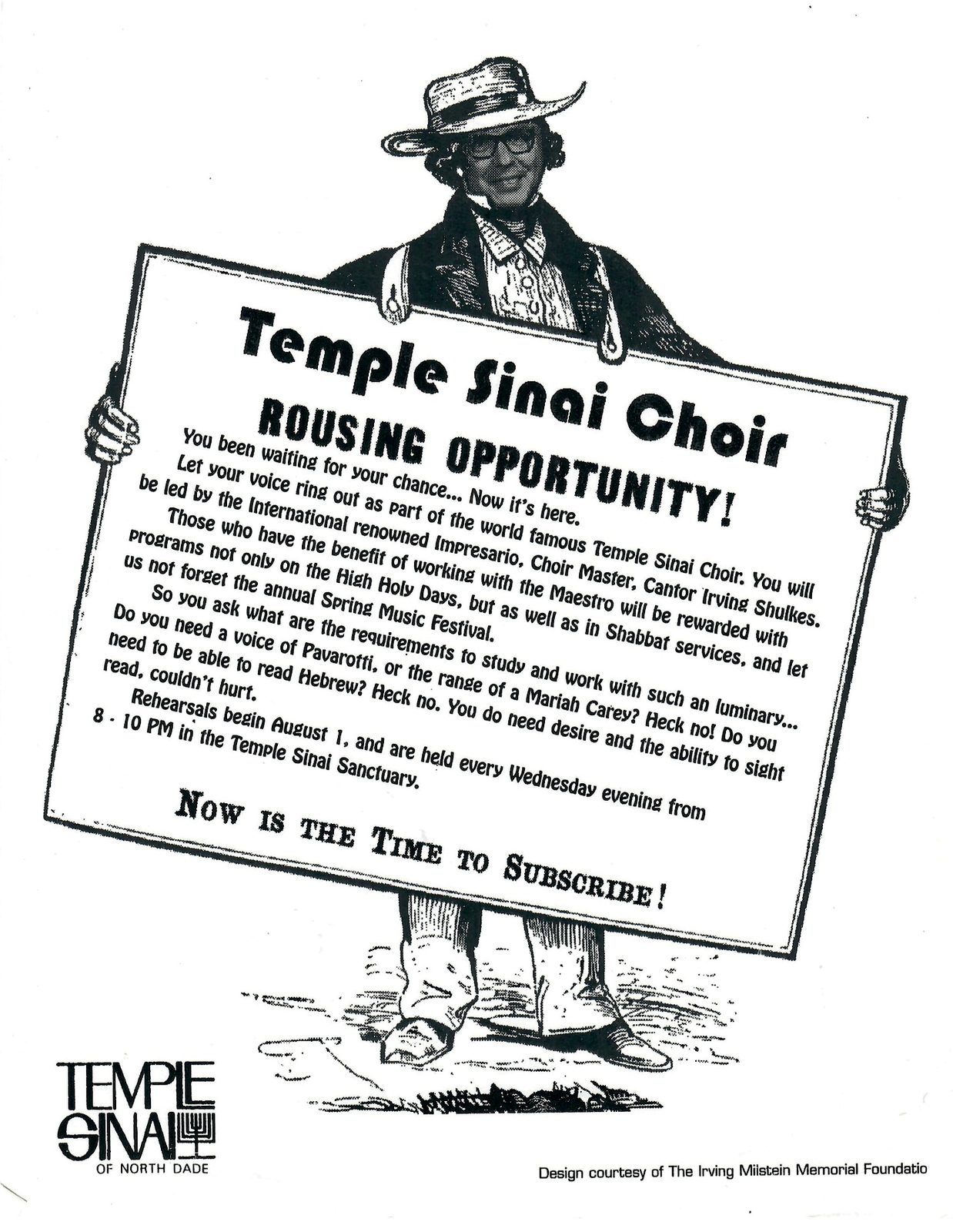
During my years as cantor, I continually looked forward to the possibility of welcoming new voices into our choir. One of my favorite membership ads included a playful ad featuring my face superimposed on Uncle Sam’s body.
One day, Mrs. Pinsky brought her son to the Bar Mitzvah class. As she entered the room with 15 students present, I called out to her. “Mrs. Pinsky,” I said, “I’ve prepared your choir book for you. Please come to our choir rehearsal tomorrow evening at a quarter to eight. We are expecting you.” Susan Pinsky was taken completely by surprise. She came to choir the following evening, joined the soprano section and stayed for 25 years. To this day, both Susan and her husband Jerry, feel their time spent in the choir was beneficial and enjoyable.
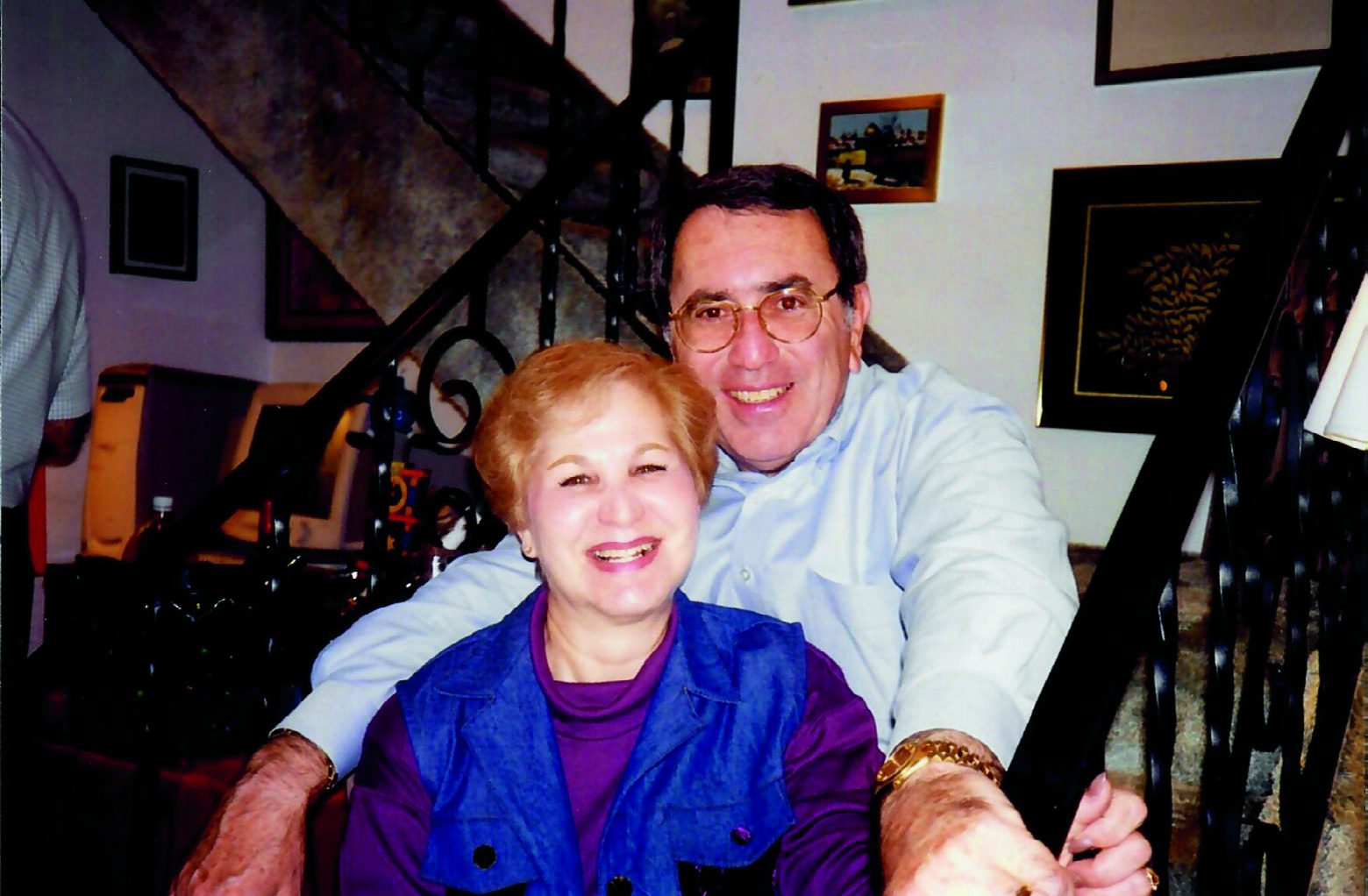
The volunteer choir is one of the most highly committed groups in temple life. It brings an additional dimension to our religious services. During our rehearsals, we studied and sang the four-part sacred music of Solomon Sulzer, Louis Lewandowski, and Samuel Naumborg from the 19th century and the many contemporary 20th century composers. The synagogue music of Abraham Binder, Isadore Freed, Julius Chajes, Heinrich Schalit, Max Janowski, Bonia Shur, Ray Smolover, Charles Davidson, Zavel Zilberts, Herbert Fromm, Joseph Kantor, Reuven Kosakoff, Debbie Friedman, and Michael Isaacson ran the gamut from traditional, very modern, to jazz, and everything else in between. For about two years, we presented a Jewish musical program on Sunday morning at the Channel 10 studio in Miami. A record was made featuring the Sinai Choir with me and Reggie Foort at the organ.
The Great Reggie at Temple Sinai
We were truly gifted at the time in having one of the best organists possible, Reginald Foort. He was from Great Britain and a master in the art of the organ. He could arrange, compose, transpose at sight, and was also a remarkable accompanist. In England, he enchanted BBC audiences at St. Georges’ Hall. What a joy it was to work with him! We had dinner every Wednesday following the children’s choir and preceding the adult choir. Reggie was a wonderful conversationalist with a fine sense of humor, and we had a great relationship. He passed away in 1980 at the age of 87.
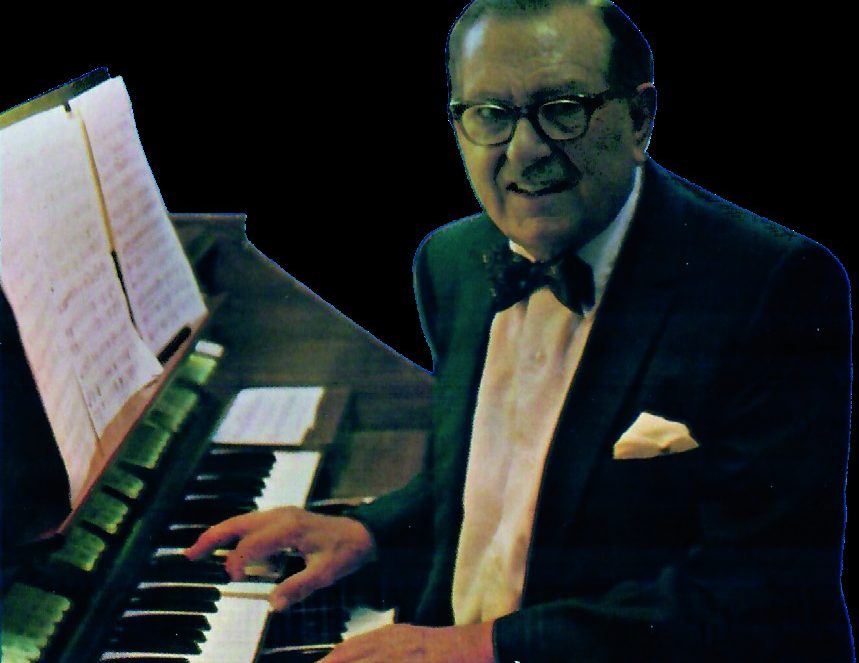
In the Jewish tradition, song and prayer have always been associated with each other - from the simplest chant to melodious song. For centuries, our liturgy has been an inspiration to many talented synagogue composers. Each composer has written in his particular time frame, and the musical styles often reflect the art forms of the period. The Union Prayer Book, Gates of Prayer and now Mishkan T’filah have provided further inspiration to our gifted contemporary composers.
I have always believed in the efficacy of prayer. Prayer is the bridge between God and each human being. Prayers can be formal and also personal and emotional. To experience the emotion of prayer, one needs to be open to it. The prayer book tells us that those who rise from their prayers feeling better have had their prayers answered.
When we read, sing or listen to the liturgy and we are emotionally involved - that is prayer! How can we not be involved when we hear the words and music of Kol Nidre!
In the words of Abraham Heschel: “Within the synagogue, music is not an end, but a means of religious experience.” He continues with this cogent observation: “All we have are words in the liturgy and reverence in our hearts. But even these two are often apart from each other. It is the task of music to bring them together.”
Isn’t it interesting that each letter in the Hebrew alphabet has a numerical value of 1-400 beginning with the letter aleph that has a value of one? The numerical value of the letters that constitute the word Shira (song) is equal to the numerical value of the word T’filah (prayer). The magic number is 515. Indeed, prayer is song.
The Growth of Our Choir
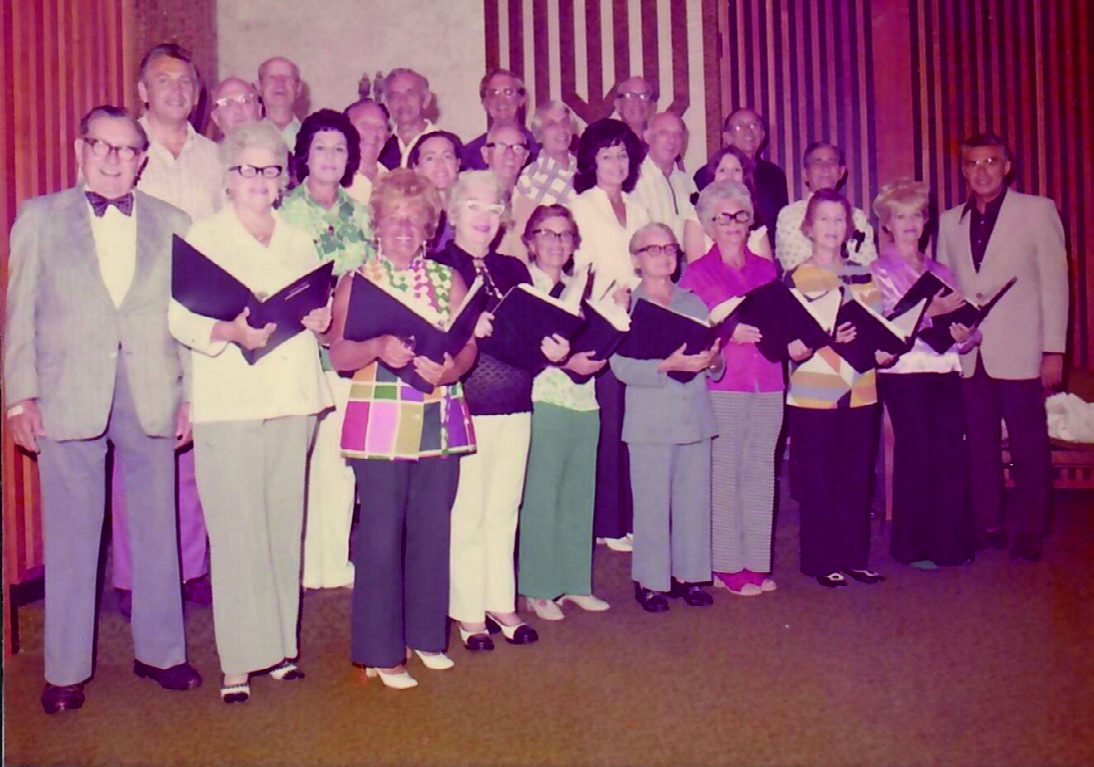
At Temple Sinai, it was a pleasure to see our choir grow quickly to more than forty members. We sang twice a month at religious services to the delight of our congregation. We had a dedicated team within the choir working to ensure everything ran smoothly. I asked Eve Solomon to take care of our choir books and our growing Jewish music sheet library. Ruth Rothschild sent birthday and anniversary greetings to choir members to commemorate special events in their lives. If someone missed a rehearsal, she called them. If a choir member missed two rehearsals, I called them. If a member was celebrating a birthday, coffee and cake were served at the end of the rehearsal.
I tried my best to impress on the choir that they were part of a musical team in temple life striving for excellence in religious worship. The effort of each one of us was necessary to make a difference and make it successful. I used to say, “As is the striving, so is the reward.”
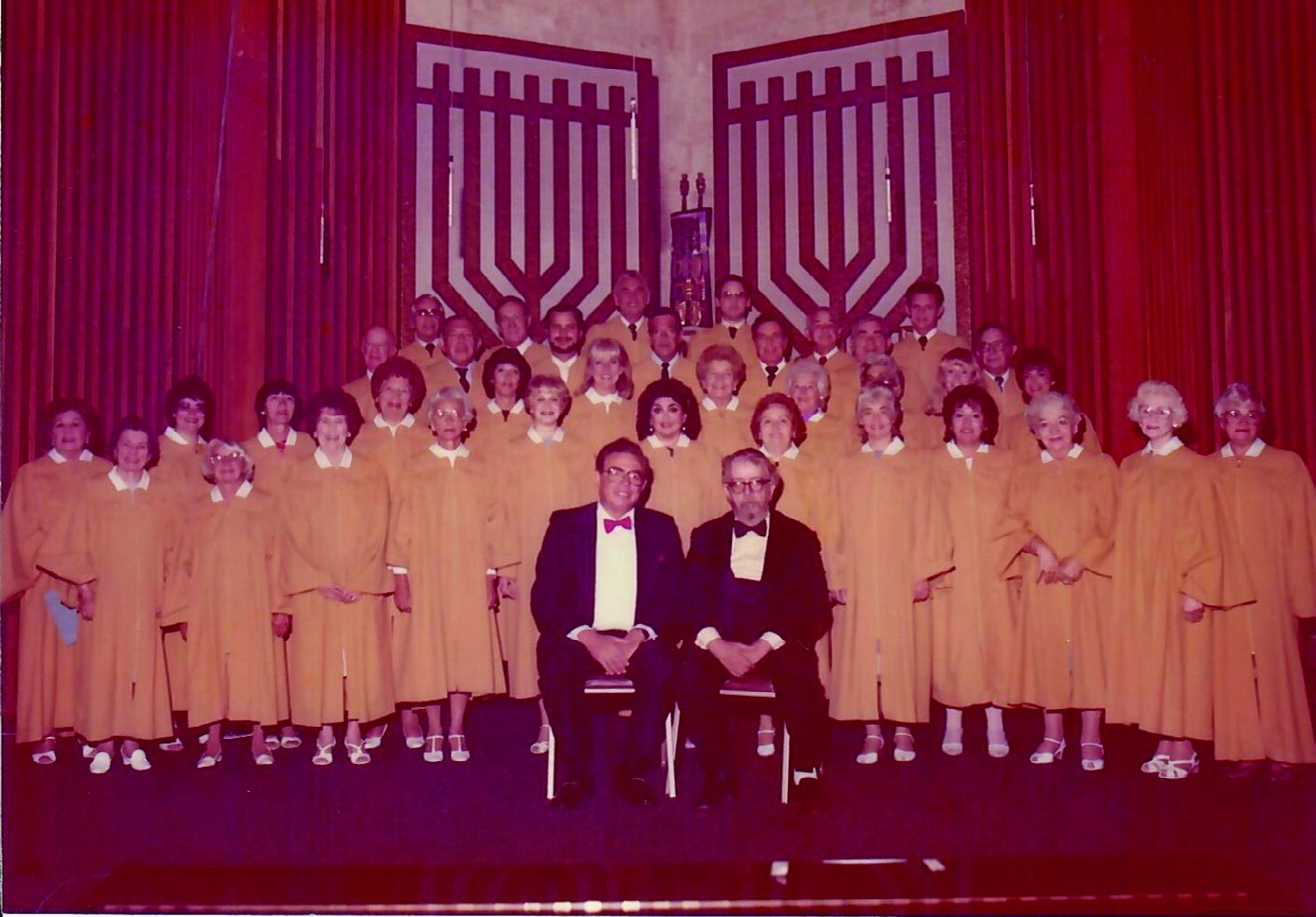
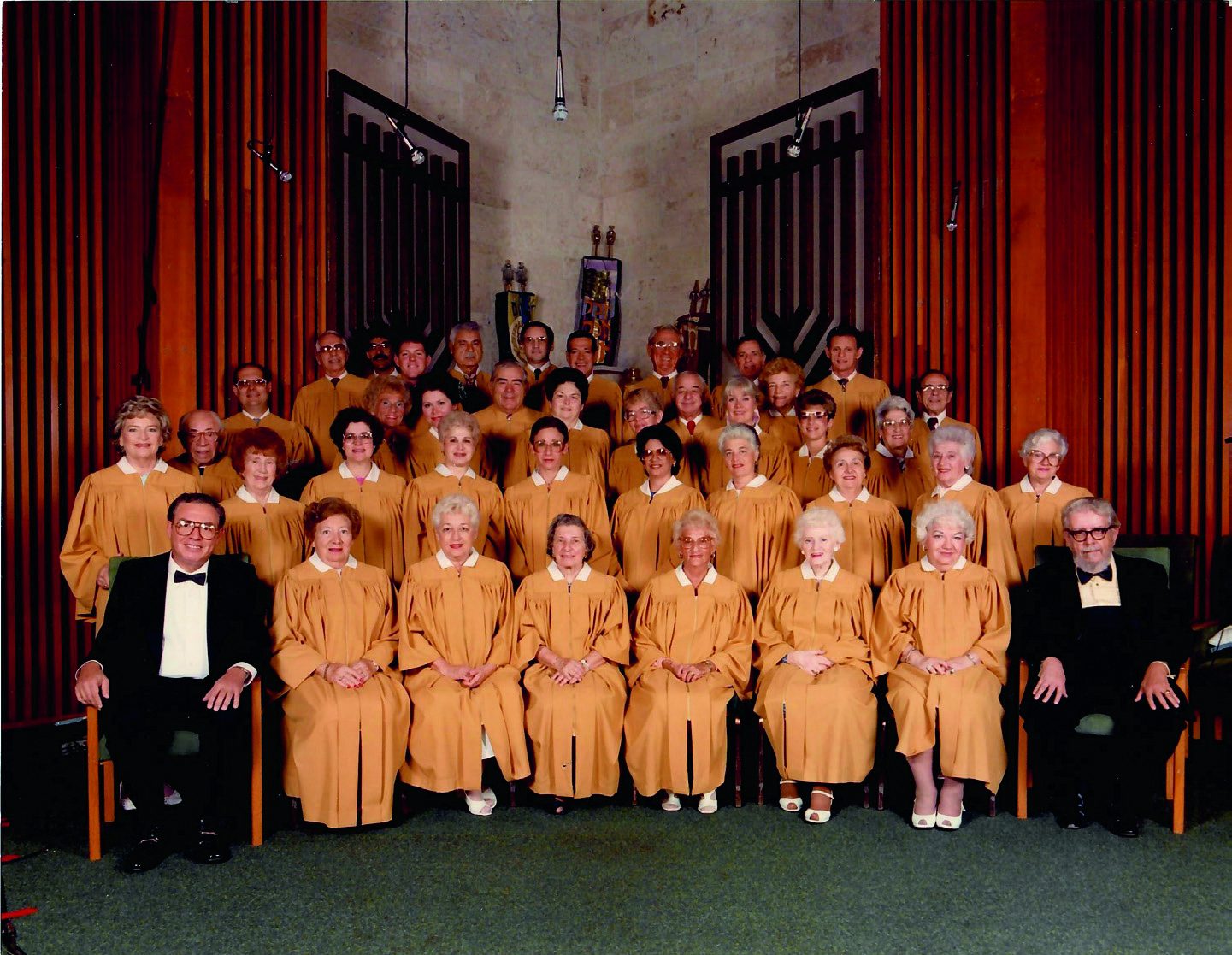
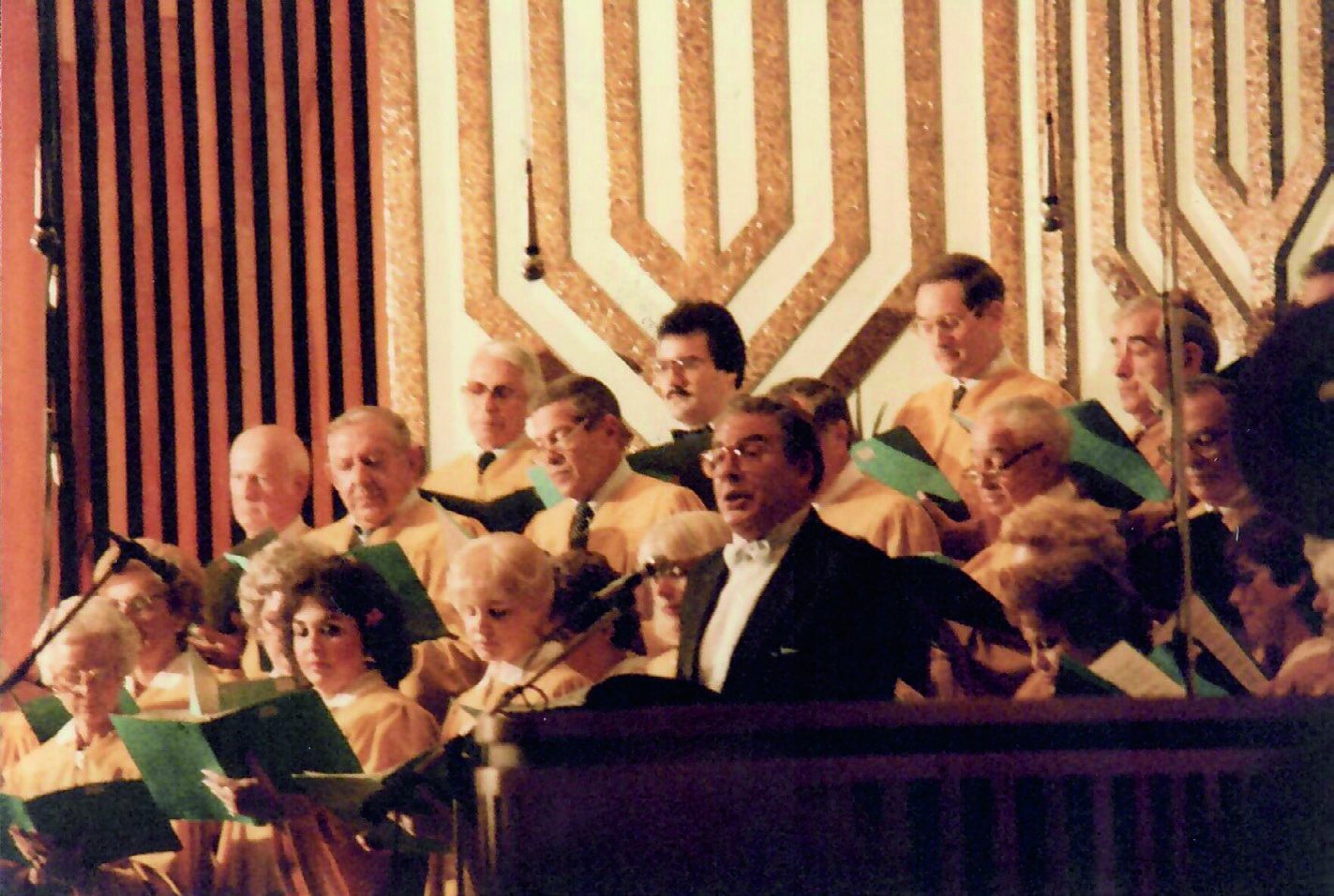
In addition to one’s musical growth in the choir and in the enrichment of the musical service, good camaraderie in a warm and positive environment could be had. We rehearsed every Wednesday from 8-10 p.m. If I saw anyone yawning during the rehearsal, I lowered the temperature in the sanctuary where we held our rehearsals. Maybe they were not getting enough air, I thought. It didn’t occur to me that maybe I was at fault. I lowered the temperature several times more. The choir members started coming to choir in their sweaters and jackets. Soon, they were coming in their overcoats and heavier garments. I then stopped lowering the temperature.
As time went on, I asked Evan Kalik, a former marine, if he would lead the group in physical exercise for about five minutes mid-point in the rehearsal. For some in the group, it was genuine physical therapy. The rest seemed to enjoy the change after an hour of concentrated singing.
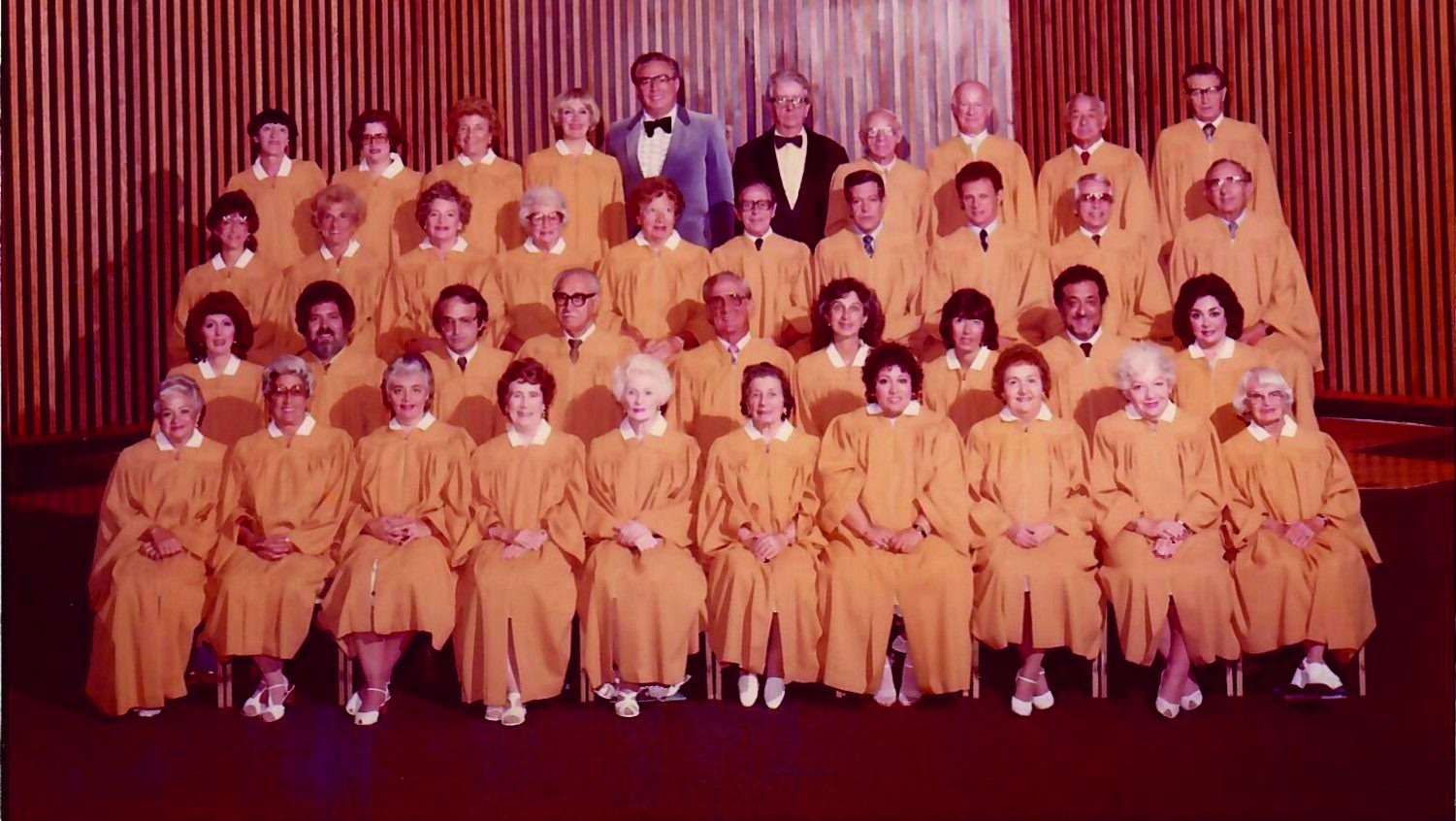
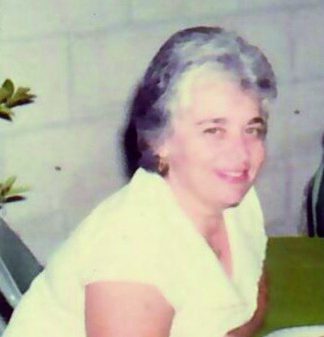
When our choir grew to fifty people, we had an annual choir photo. Around that time, I asked Phyllis Katz to organize and create a musical program for our end of year choir party. The varied entertainment would come from our own talented choir members. There was a small charge, of course, to cover the catered dinner and other choir party expenses. There was also much amazement when some one hundred twenty people turned out annually for our choir party. Honored at each party were those individuals who worked behind the scenes to enhance the activity of our choir. The honorees at our first party were: Eve Elkin, Bill Roberts, Ruth Rothschild and Eve Solomon.
The First Annual Spring Music Festival
One board member, Jack Berne, suggested we buy robes for the choir. Robes that were aesthetically appealing were an expensive item, so we decided that we would present a concert and the proceeds would pay for it. That was an introduction to our First Annual Spring Music Festival. Featured were the adult choir and the children’s choir, which continued to grow. The children came directly from the religious school for that precious rehearsal hour and were warmly welcomed at special services. Over the years, the growth of this choir was rapid due to the opening of our Sinai Academy, which encouraged even more of our students to join the choir.
Two Special Students and Colleagues
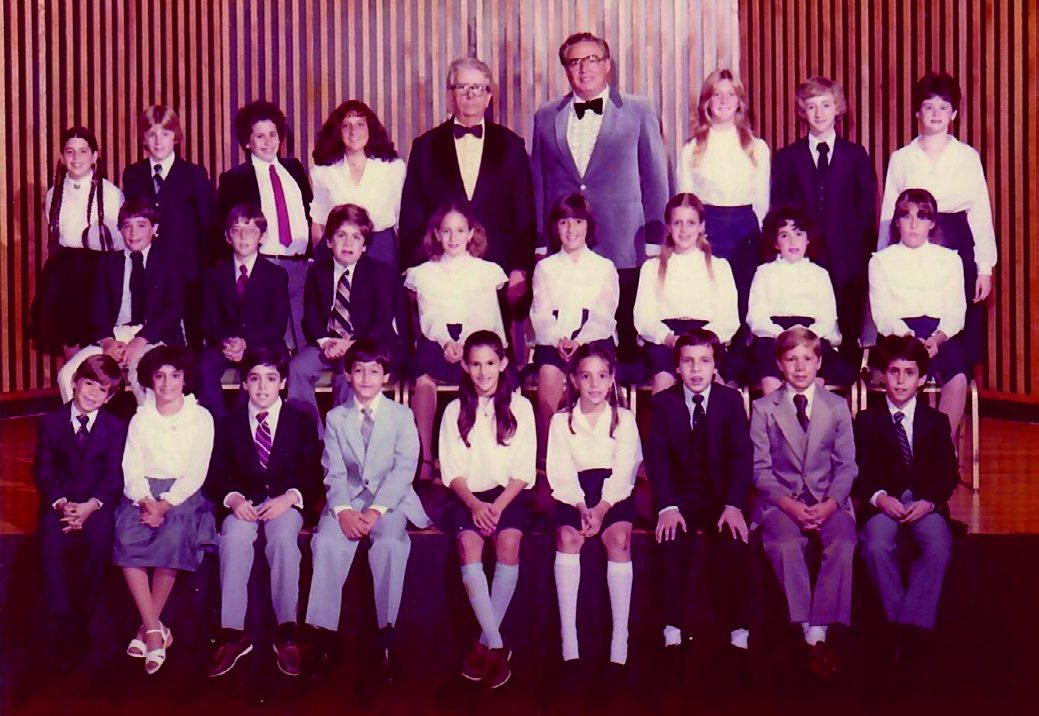
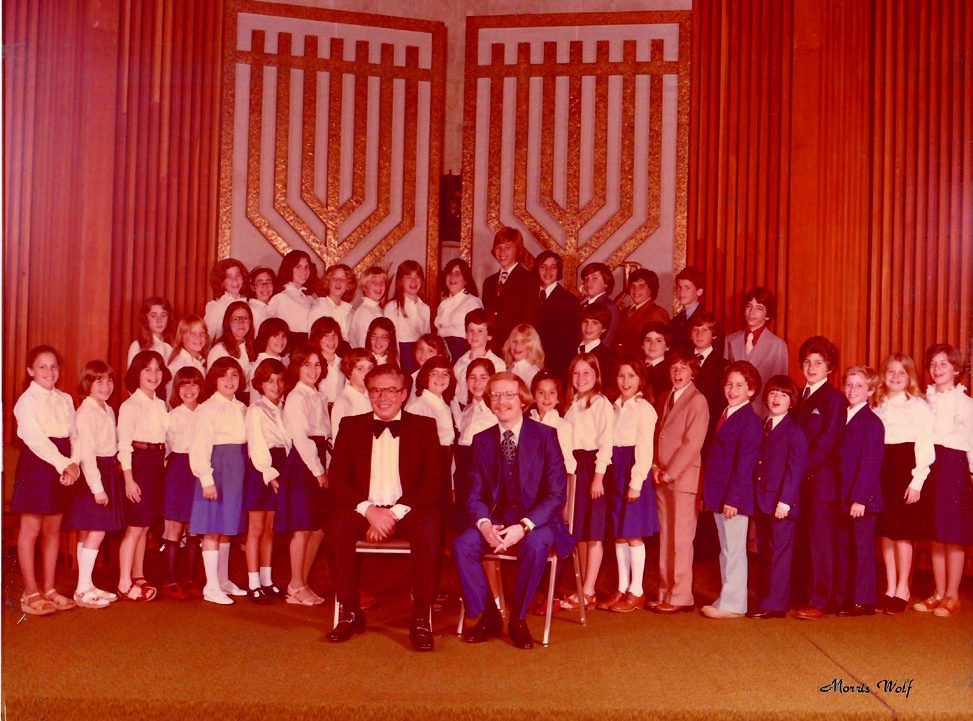
Two special colleagues I would like to mention are Cantor Jessica Roskin and Cantorial Soloist Jodi Dorn Rozental. They both sang in our children’s choir, at services, and in our annual concerts. I had the pleasure of training both for Bat Mitzvah.
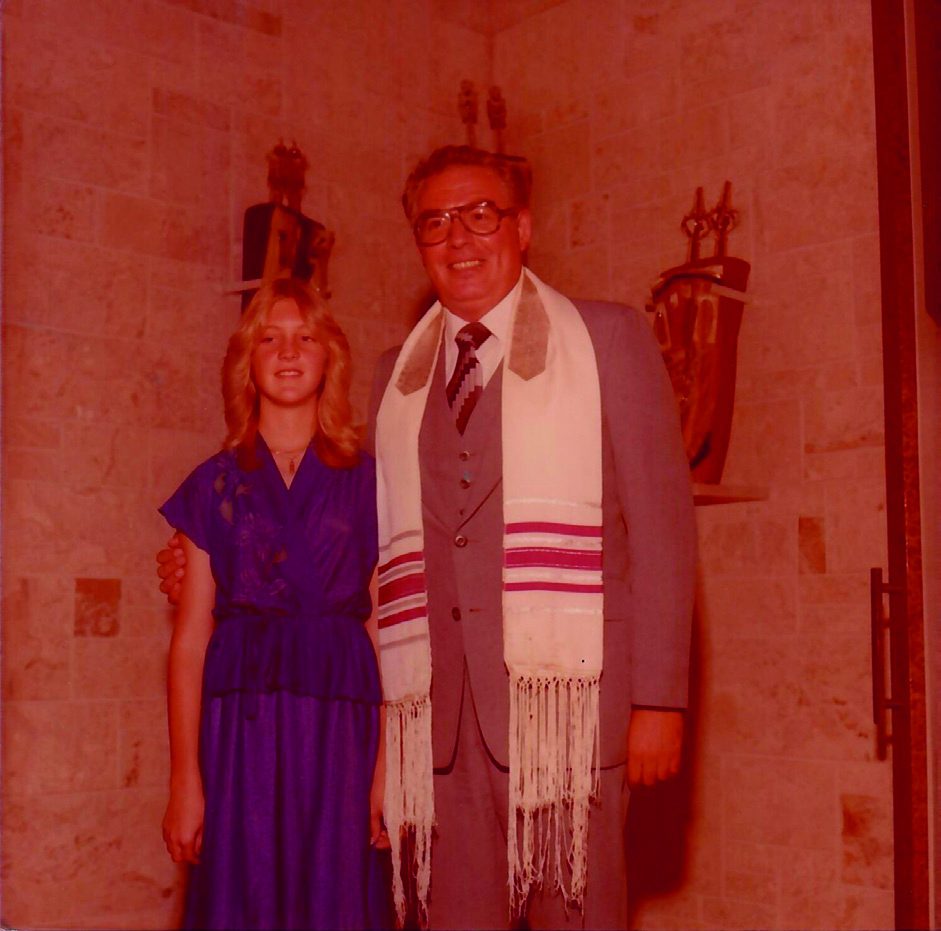
In addition, I sang with each of them in their individual temples when they became cantors.
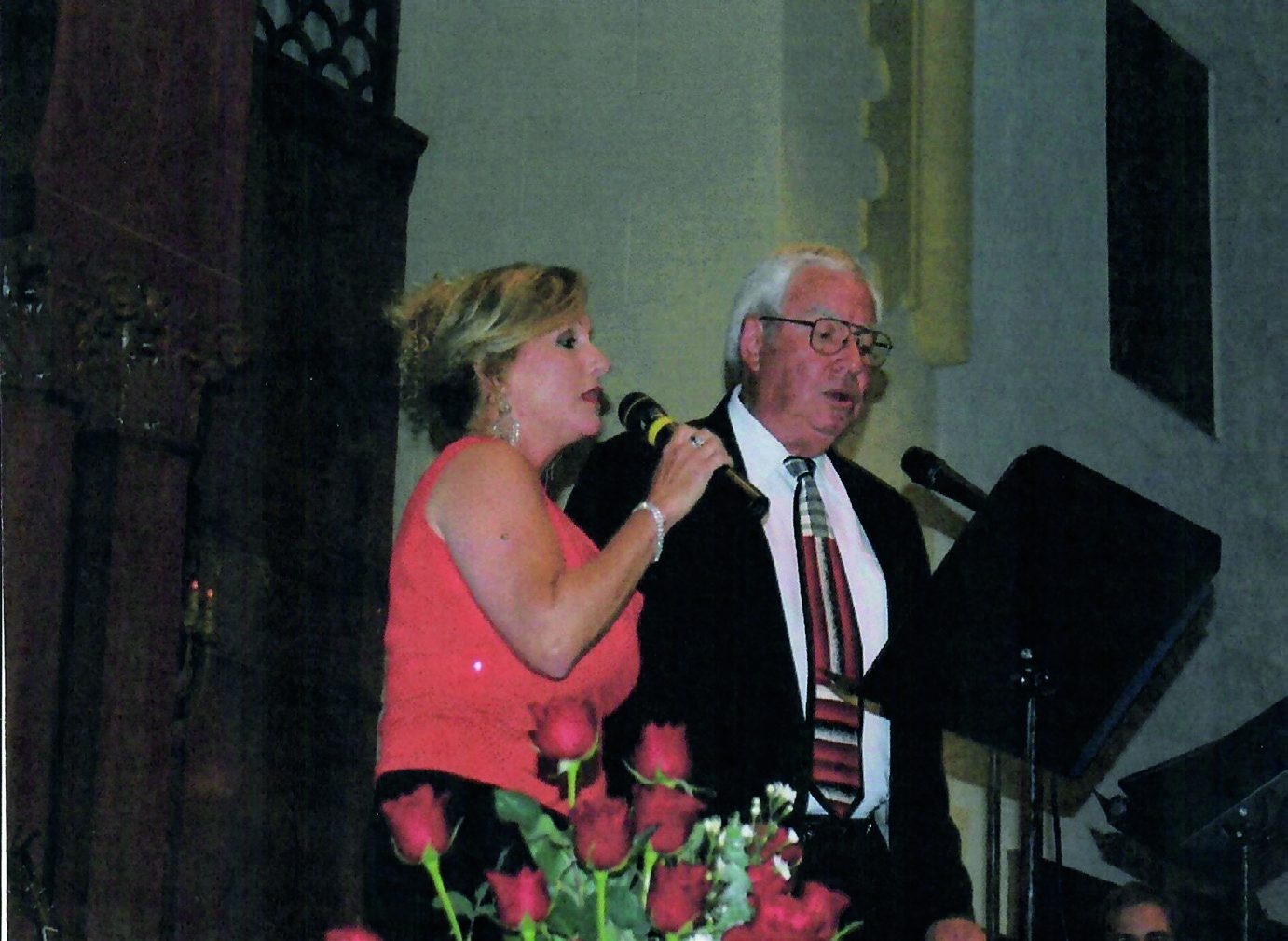
Jessica was the only female cantor among sixteen cantors that sang at my retirement concert.
Over the years, Jessica became a gifted pianist, and Jodi, a talented guitarist. First and foremost, however, they were both creative and artistic interpreters of song. I hoped that each of them would follow the path to the cantorate, and in the years that followed, their beautiful voices and interpretive musical styles blessed the American Jewish community. In this, they clearly excelled.
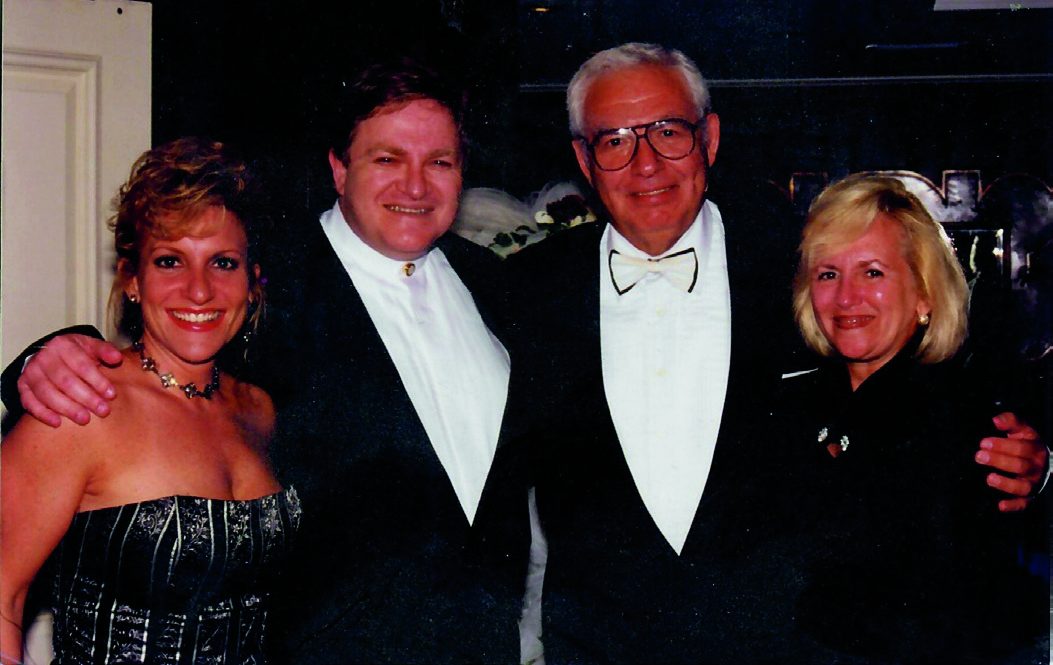
It was also my pleasure to know their parents, Howard and Ingrid Roskin, and Marvin and Bobbie Dorn, on a personal level. They were all actively involved in the life of the temple, and we had fun together as we celebrated many happy family events. I was privileged to officiate at Jodi’s marriage to Ruben.
Special Programs at the Temple
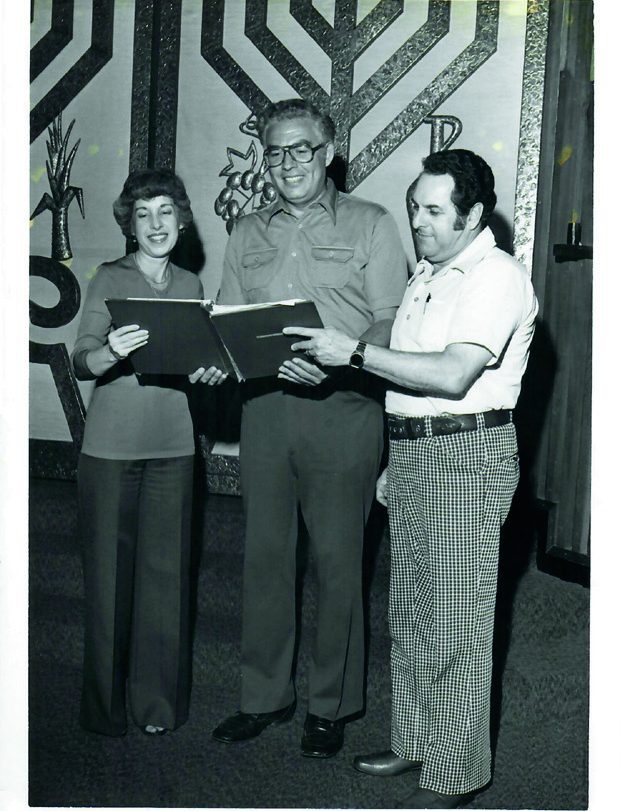
My assistant for about two years was the gifted Kris Deren. She joined the adult choir and soon became the leading soprano soloist. She also assisted me with our large children’s choir. In addition, I would like to mention our talented instrumentalist and music instructor, Marcelo Barski, who is such a fine asset to our school and synagogue. More recently, Juvenal Correa-Salas has worked with the Sinai choir. Both Marcelo and Juvenal have truly enriched our religious services.
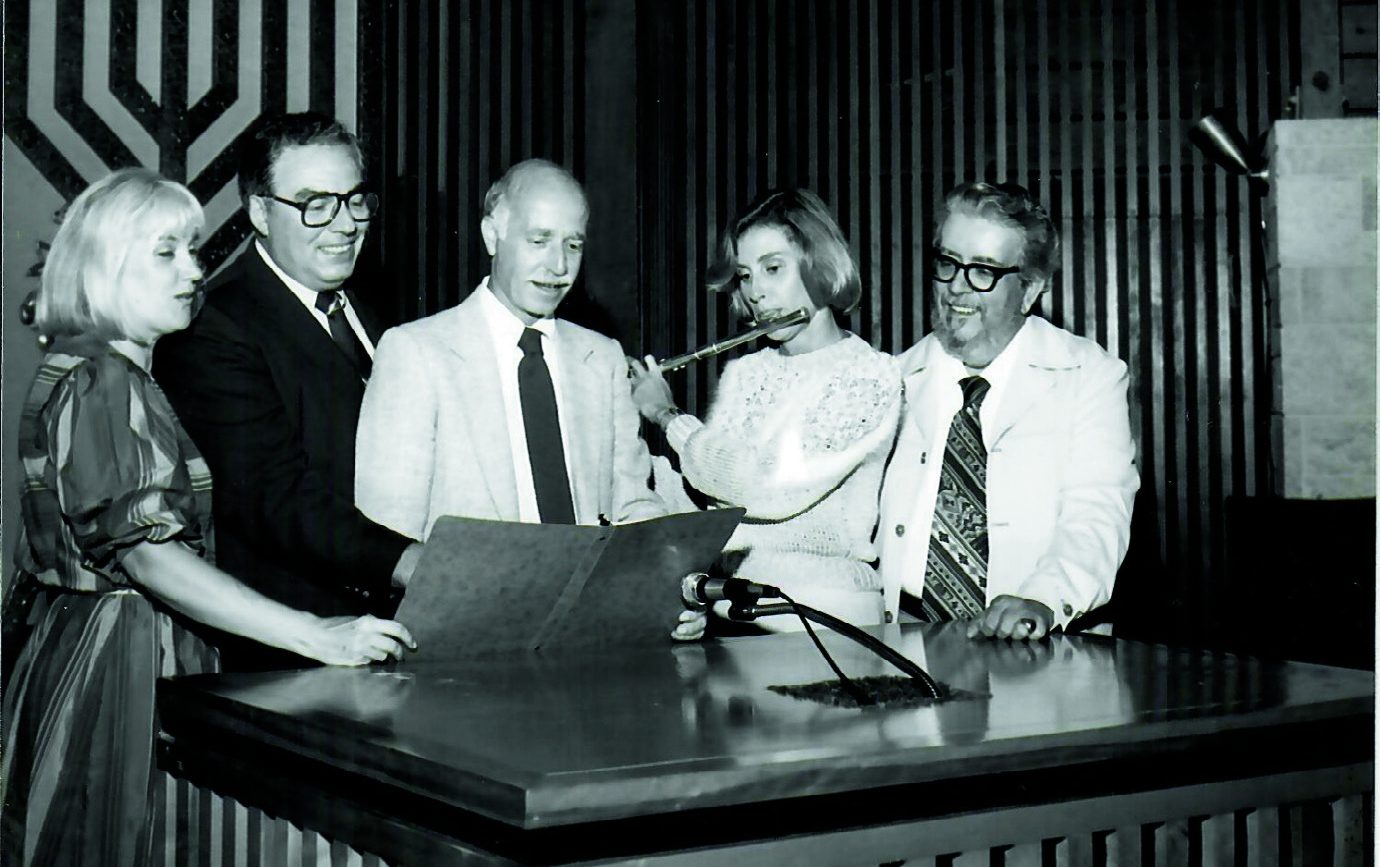
At the first concert, Rabbi Ralph Kingsley and I introduced a new duet melody of the “Shehecheyanu.” The congregation clamored for that “Shehecheyanu” for years, and it became our trademark. We were eventually called “The Dynamic Duo,” a name we greatly favored. We could have taken it on the road, but we were too busy at temple.
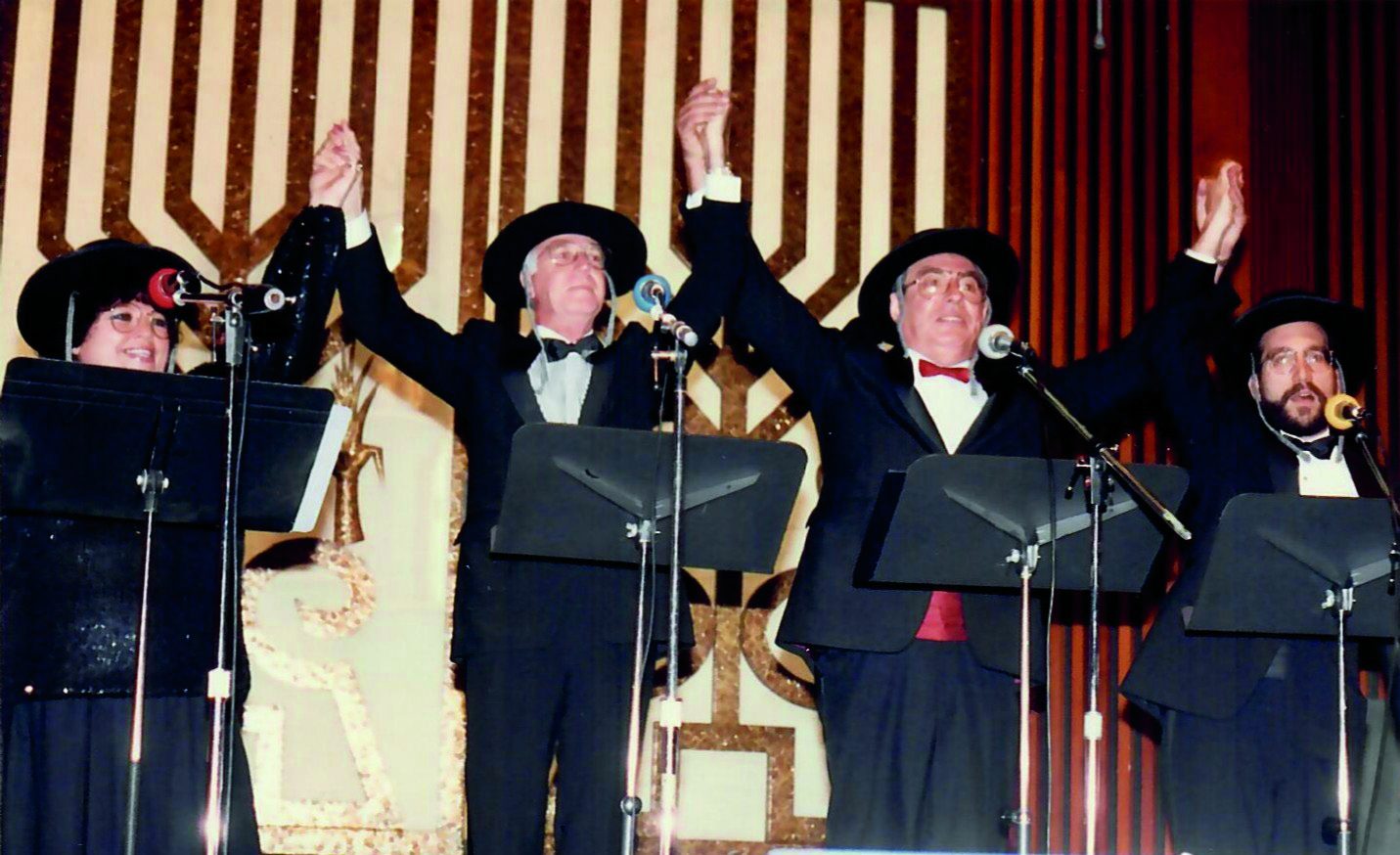
At that event, the adult choir also sang the patriotic work, “Ballade for Americans” by Earl Robinson. It was made famous years earlier by the basso, Paul Robeson, who introduced the American public to the beloved song “Old Man River.” His voice was an inspiration to me and many in the mid-twentieth century.
Many of our concerts featured Yiddish songs for the children and adults, and I am indebted and thankful to Pearl Grossman for her invaluable assistance. She seemed to know every Yiddish song that was ever written.
While I led weekly rehearsals, Charlotte Cohen graciously conducted the choir at services and special events whenever I was singing and unable to conduct. Charlotte was magnificent in her ardor and zeal to do so. She conducted the choir for more than twenty-five years.
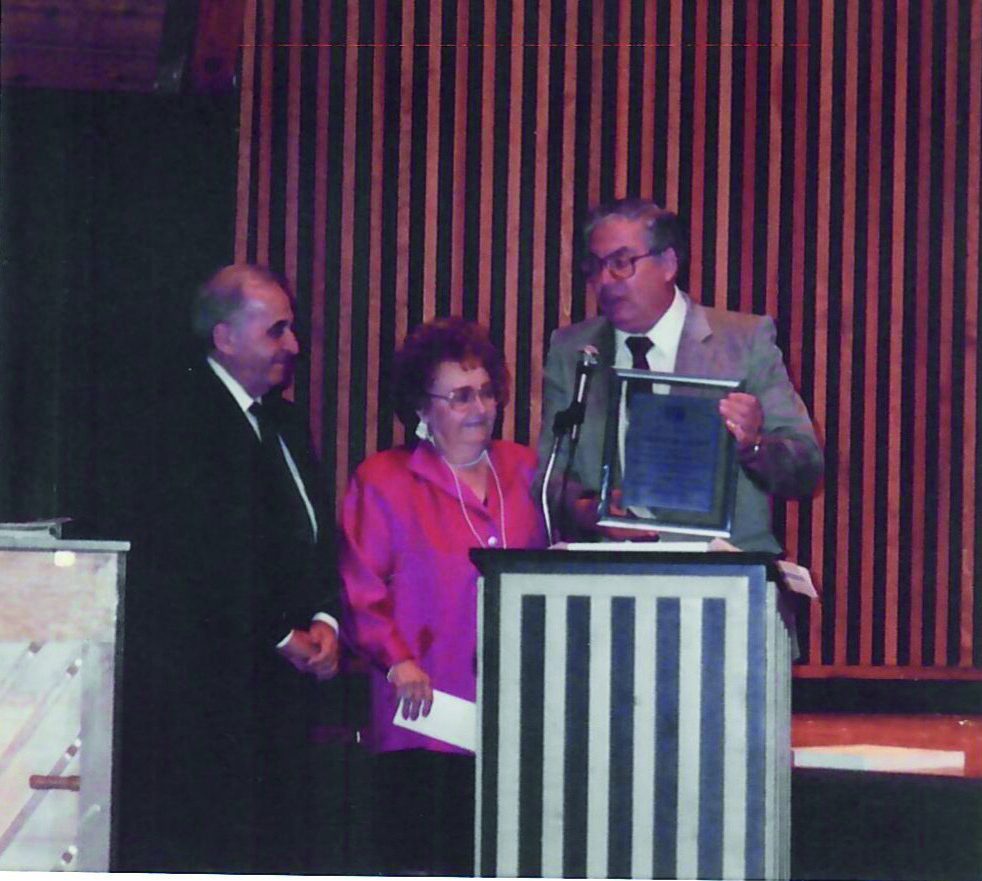
I remember once when I asked her to conduct a 200-voice chorus with the “May the Words” by Ernest Bloch. I knew she would love the challenge. Charlotte looked at me and felt the request was truly the ultimate challenge. It was also a bit frightening to conduct so many choristers. It certainly was a great undertaking, and Charlotte, it turned out, was terrific. It was a memorable and inspiring experience for her.
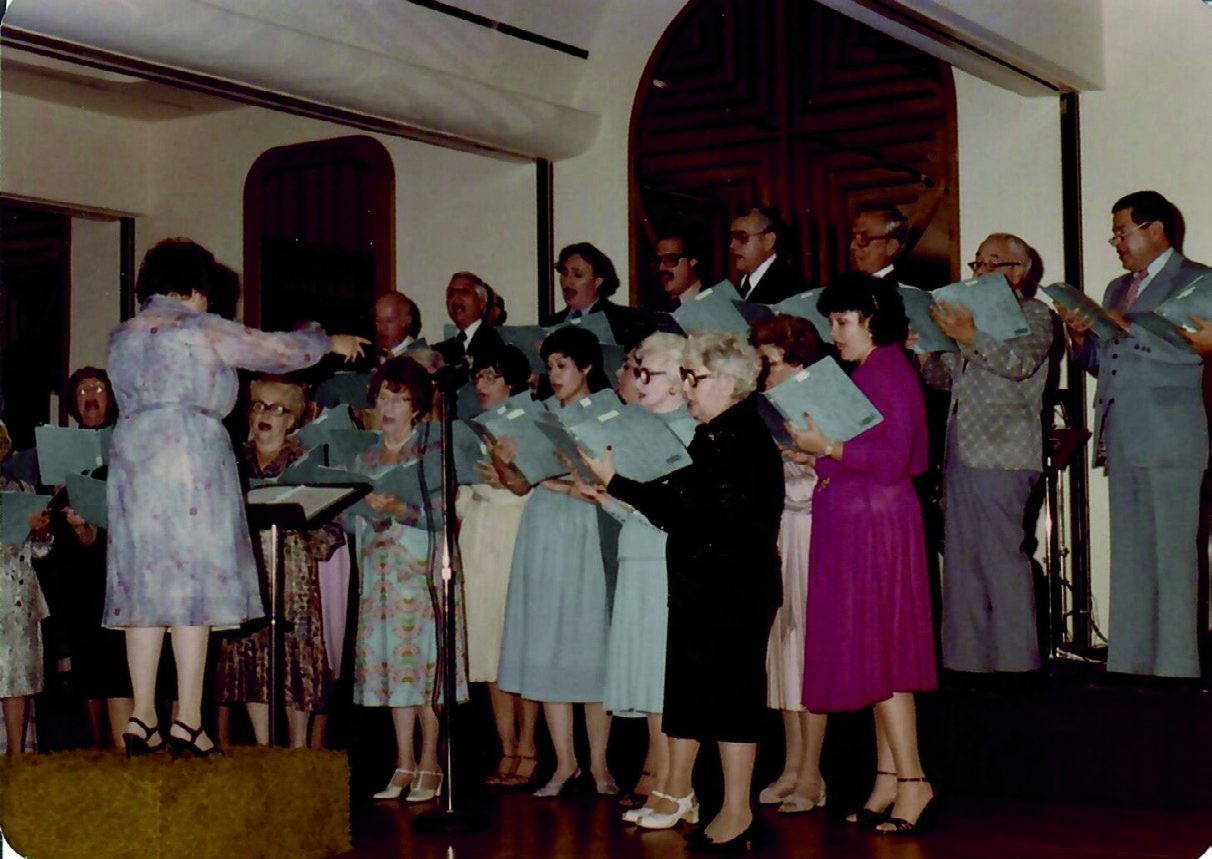
In concert, we sang songs from the liturgical, Israeli, holiday, folk and musical comedy repertoire. Some of our soloists who sang duets, trios, and vocal quartets over the years were: Susan Weiss, Karen Blum, Rita Templer, Kris Deren, and the following Cantors: Jerry Klement, Manny Mandel, Phyllis Cole, Irving Zummer, Zvi Adler, Jacob Danziger, Zvee Aroni, Peter Taormina, Martin Rosen, and David Conviser.