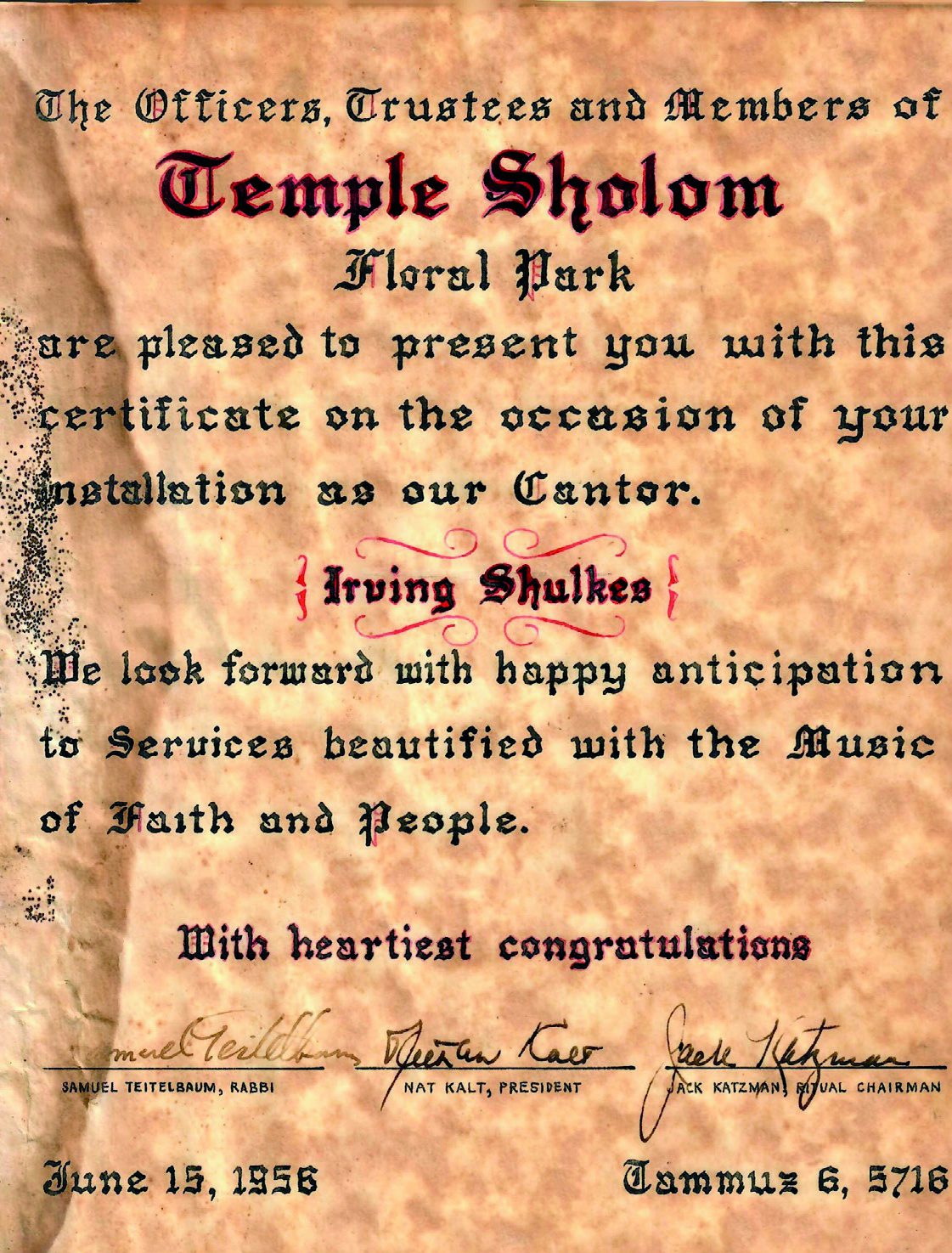
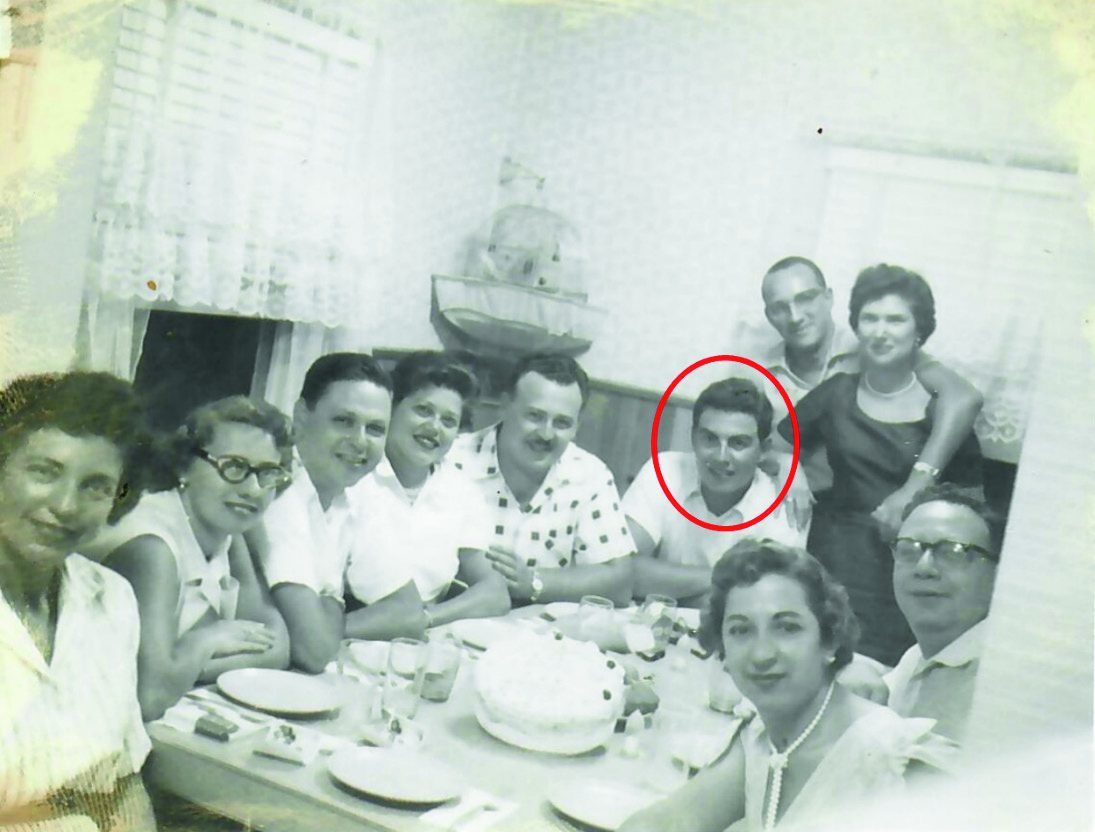
During my second year in cantorial school, I was offered a position as cantor at Temple Sholom in Floral Park, Queens. This was my second official cantorial position. I served as cantor with Rabbi Samuel Teitelbaum at religious services, trained students for Bar and Bat Mitzvah, taught Hebrew in the religious school and organized an adult choir. The volunteers that signed up for the choir were truly amazing. They brought their fervor, zeal and commitment to our rehearsals. The group soon grew to twenty choristers where we sang four-part harmony, trying our best to bring pleasant sounds to an enthusiastic congregation.
Since the beginning of time, people have had the urge to sing. Not every singer is a great one or even a good one and too many have been discouraged from “doing what comes naturally.” On numerous occasions, I have been told by people how, as youngsters, they were told by their music teachers to mouth the words but sing silently. This was enough to discourage some of them for all time.
What a waste! How unfair and unfortunate!
Years ago, somebody asked me, “What do you do with a Bar Mitzvah candidate who cannot sing?”
And I answered, “You must give him the message that he can sing - because that’s our tradition.” Bar and Bat Mitzvah candidates have been singing uninterruptedly, under my tutelage, for 44 years.
On one occasion, there was a young man who stuttered very badly. He was very self-conscious about his speech and people around him were extremely uncomfortable. The day of his Bar Mitzvah finally arrived, the sanctuary was filled with people and the atmosphere, while joyful, was tense. How would the young candidate fare? Well, to everyone’s amazement, his speaking and singing were truly excellent throughout the service. There was no sign of stuttering. Can you just begin to imagine the pleasure everyone experienced that day!
A Drama Teacher on Sunday Morning
On Sunday mornings, in 1955, I also worked as a drama teacher at B’nai Jeshurun in Manhattan. My responsibility was staging four holiday plays a year for the religious school. The plays that I wrote for a dozen students or more could be done today in no time at all with the use of AI. Doing all this and attending cantorial school at the same time was very demanding. The hours were long, the challenges were many. However, I knew that I was in the right profession and that was a big plus for me.
Pearl and Sidney Grossman - Lifelong Friends
Two of my life-long friends from Temple Sholom in Queens were Pearl and Sid Grossman. I met them in 1955 when I started at the temple. Sid was an attorney who ran a mortgage company. He was very ethical in his treatment of his clients, ever trying to make the contract good for his client as well as for him. At times, he would steer his client to another company if it served the client’s interest any better. Sid was really good in business and ran a very successful company. Together with Pearl, he enrolled in Judaic courses and summer seminars offered by the Union of American Hebrew Congregations, now called the Union for Reform Judaism.
Sid was fully involved in temple activities where he volunteered to teach Hebrew to adults, served as an officer, and eventually, as volunteer principal of the religious school. Our positions in the religious school were about to change drastically. As principal, he observed me teaching music until I succeeded him in 1958. It was then that I, as his principal, observed him teaching as a seventh-grade teacher in the Sunday school. Despite all that, our friendship grew even stronger. What impressed me so greatly about Sid was his exceptional ability to make the teachings of Abraham, Moses, the Prophets and others, relevant to the lives of our congregants. He spoke often at board and committee meetings as well as at services.
Pearl was a graduate of Hunter College and, with her master’s degree, became head librarian at Francis Lewis High School in Queens. At temple, she volunteered her services as the religious school librarian - a necessary position in the development of a religious school and appreciated by many.
I was a frequent visitor to their home and our friendship flourished throughout the years. Pearl sang in the temple choir and her proficiency in the Yiddish language was a tremendous help to me in the presentation of Yiddish programs. When I moved to South Florida in 1970, they visited me for two weeks and then bought a condo as their second home not too far from me in Hollywood. When Sid retired, they sold their house in Queens, moved to Florida, and became members of Temple Sinai. Pearl joined the Temple Sinai choir and, for several years, Sid taught adult Hebrew at the temple.
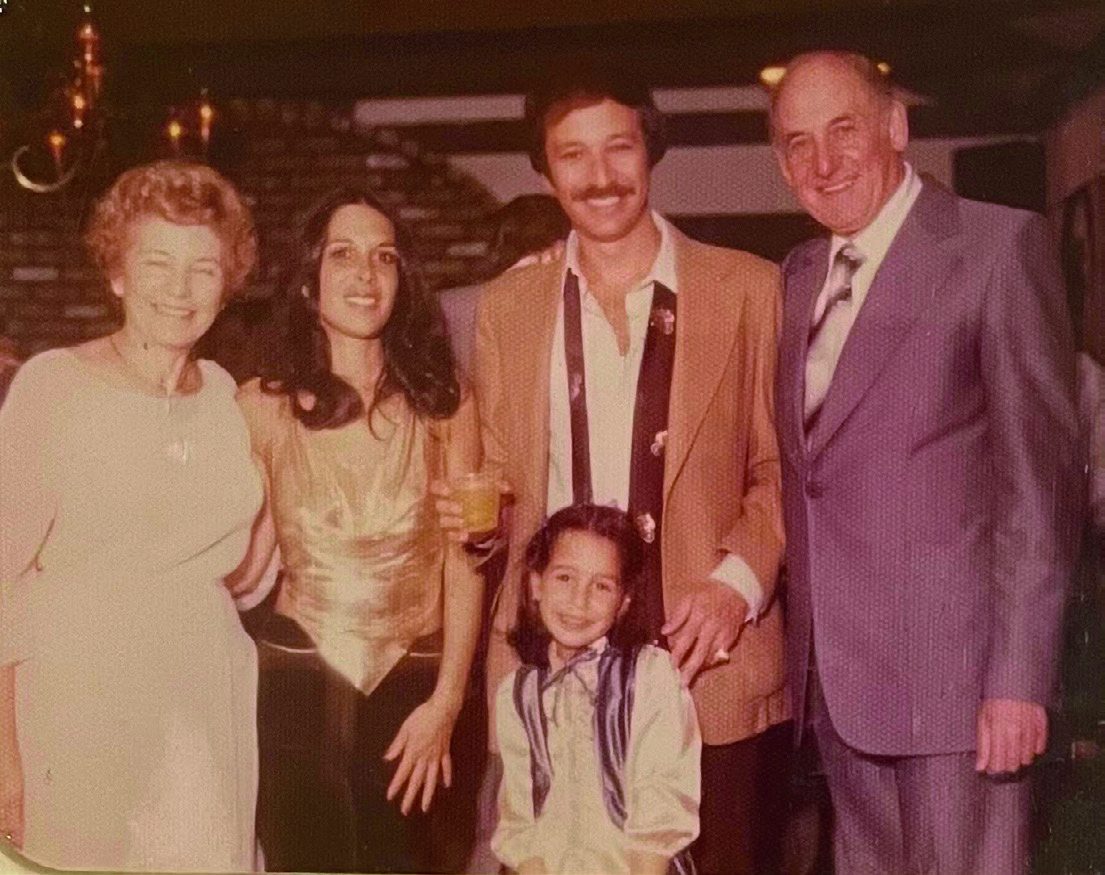
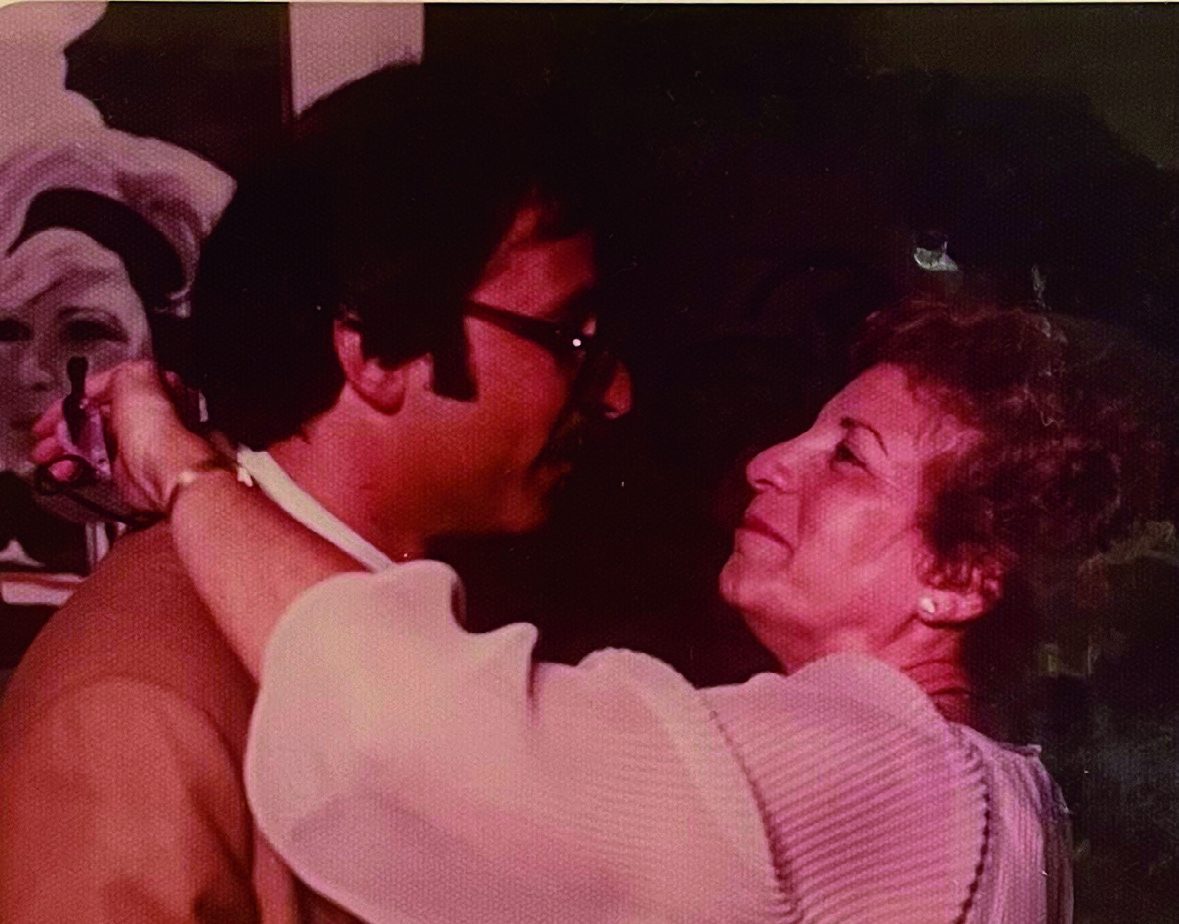
With Joanne in my life, the four of us enjoyed many walks on the Broadwalk in Hollywood and wonderful trips together. This included a fabulous cruise aboard the ocean liner, Vistafjord. The following pictures show Pearl and Sidney together with my wife, Joanne, and me.
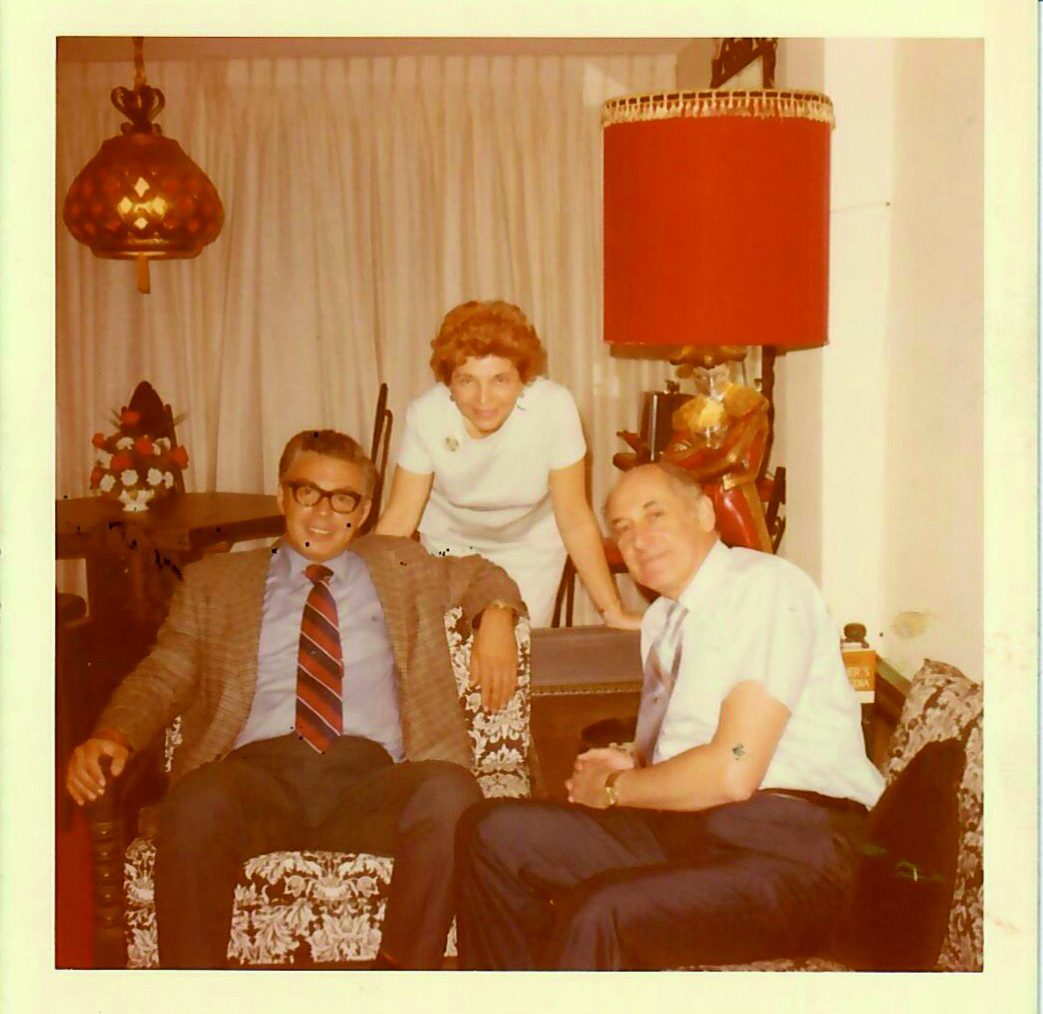
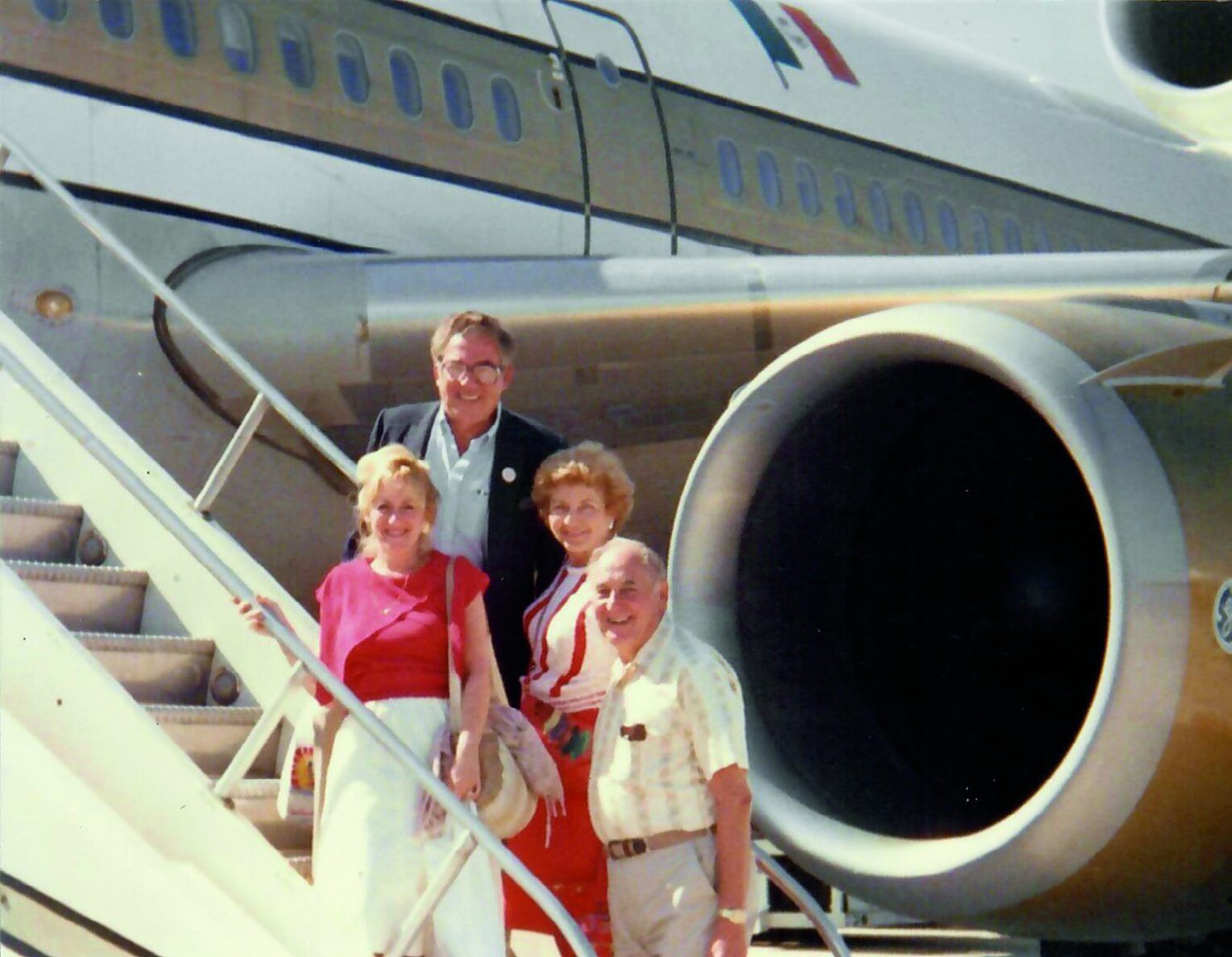
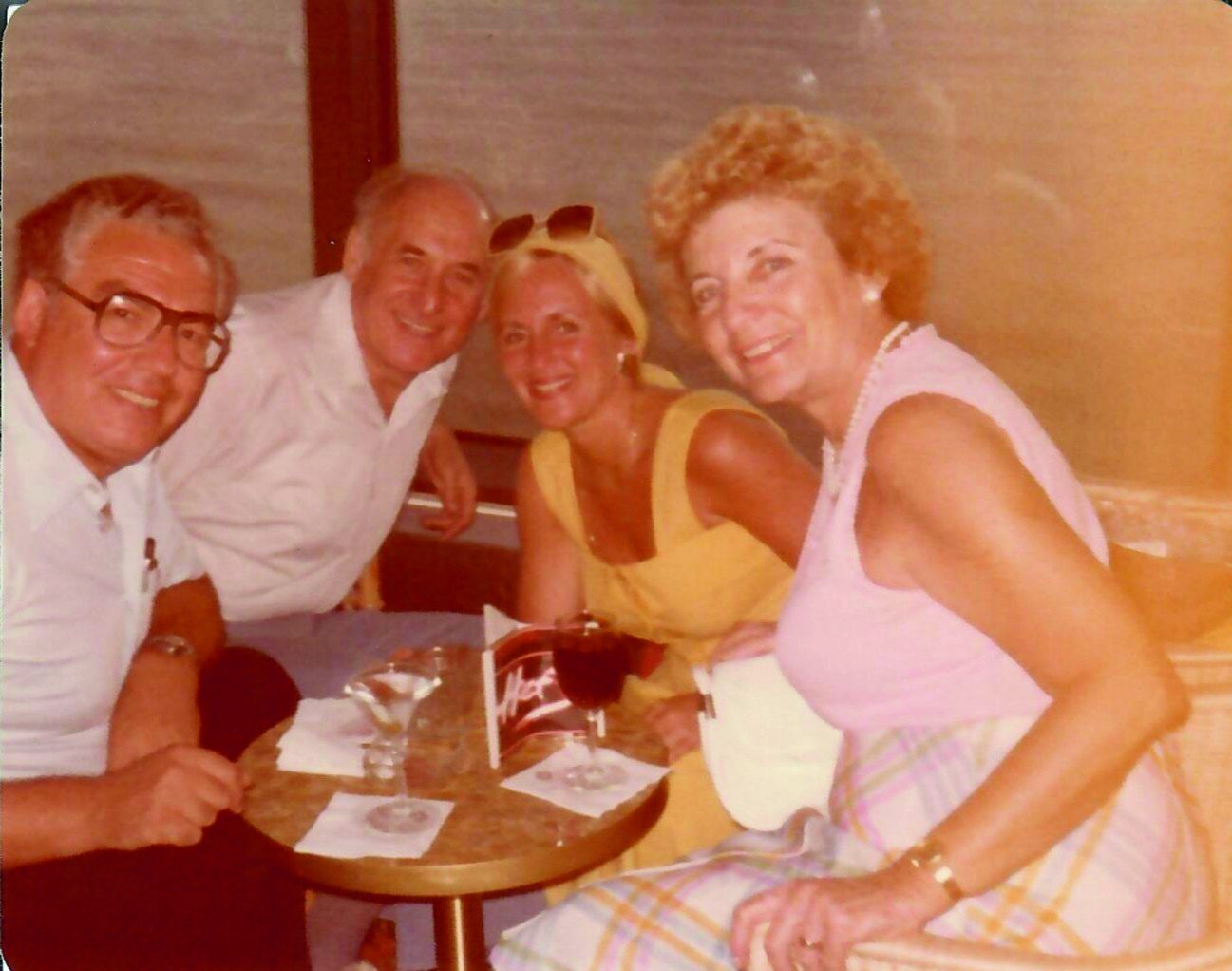
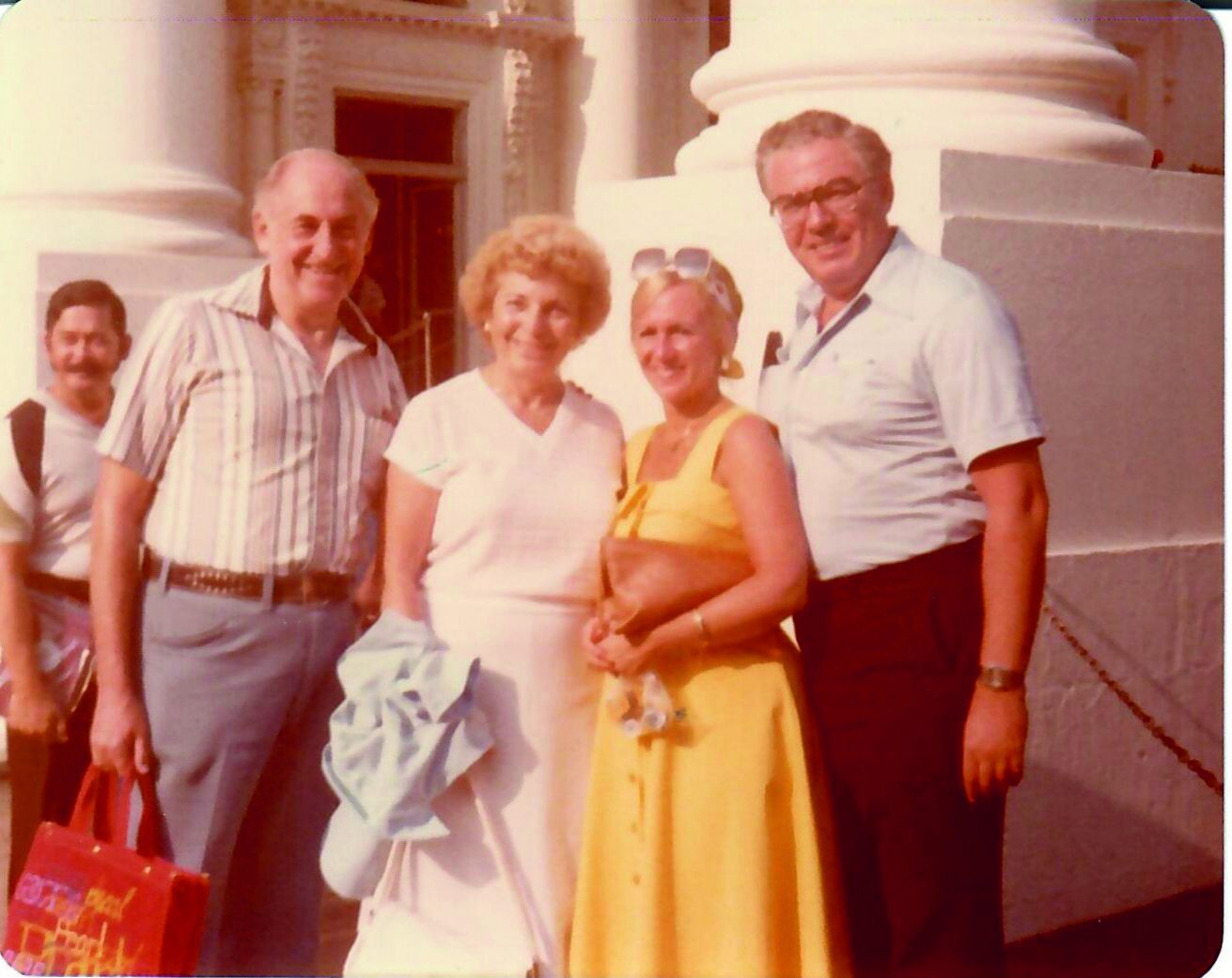
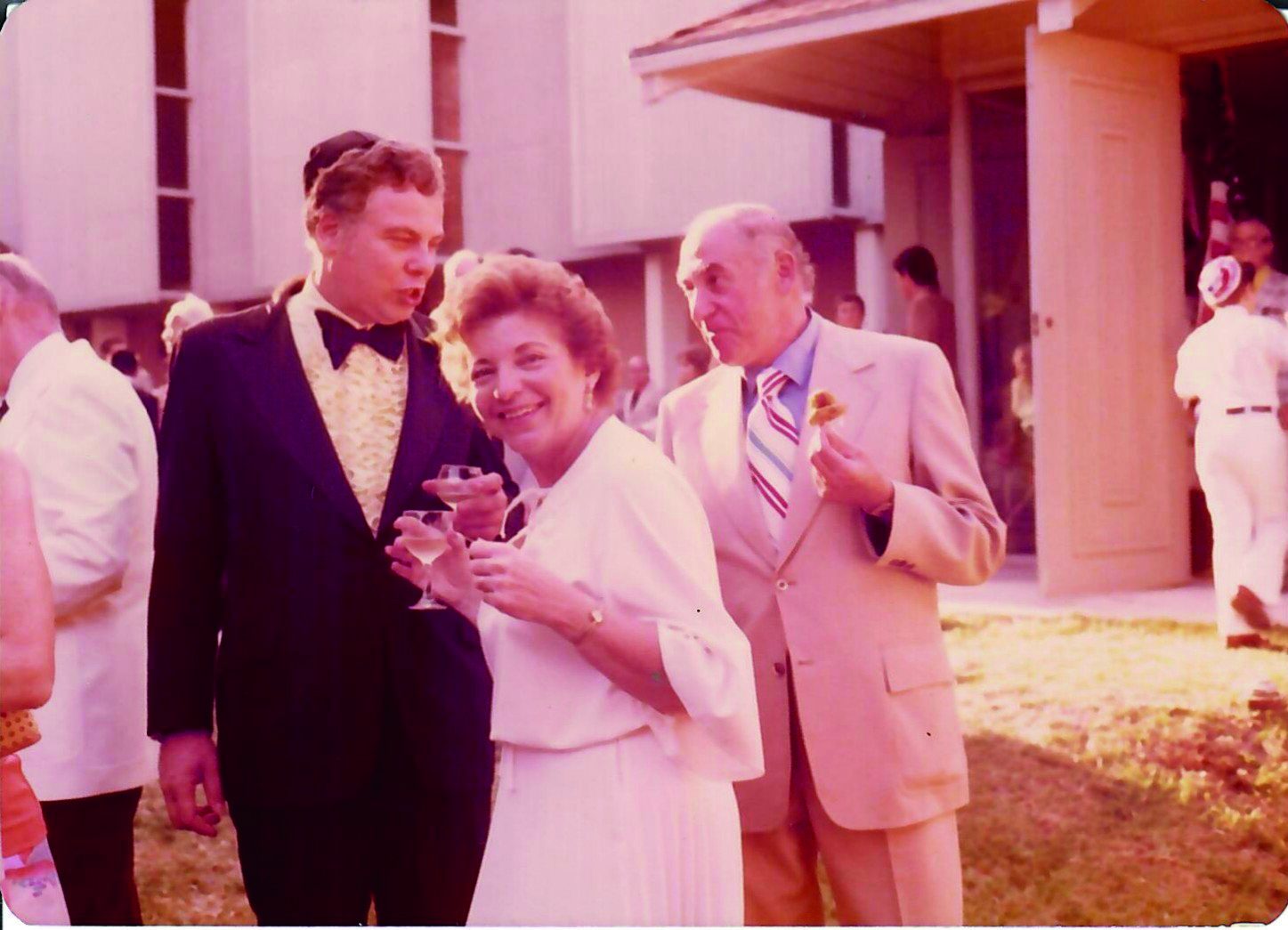
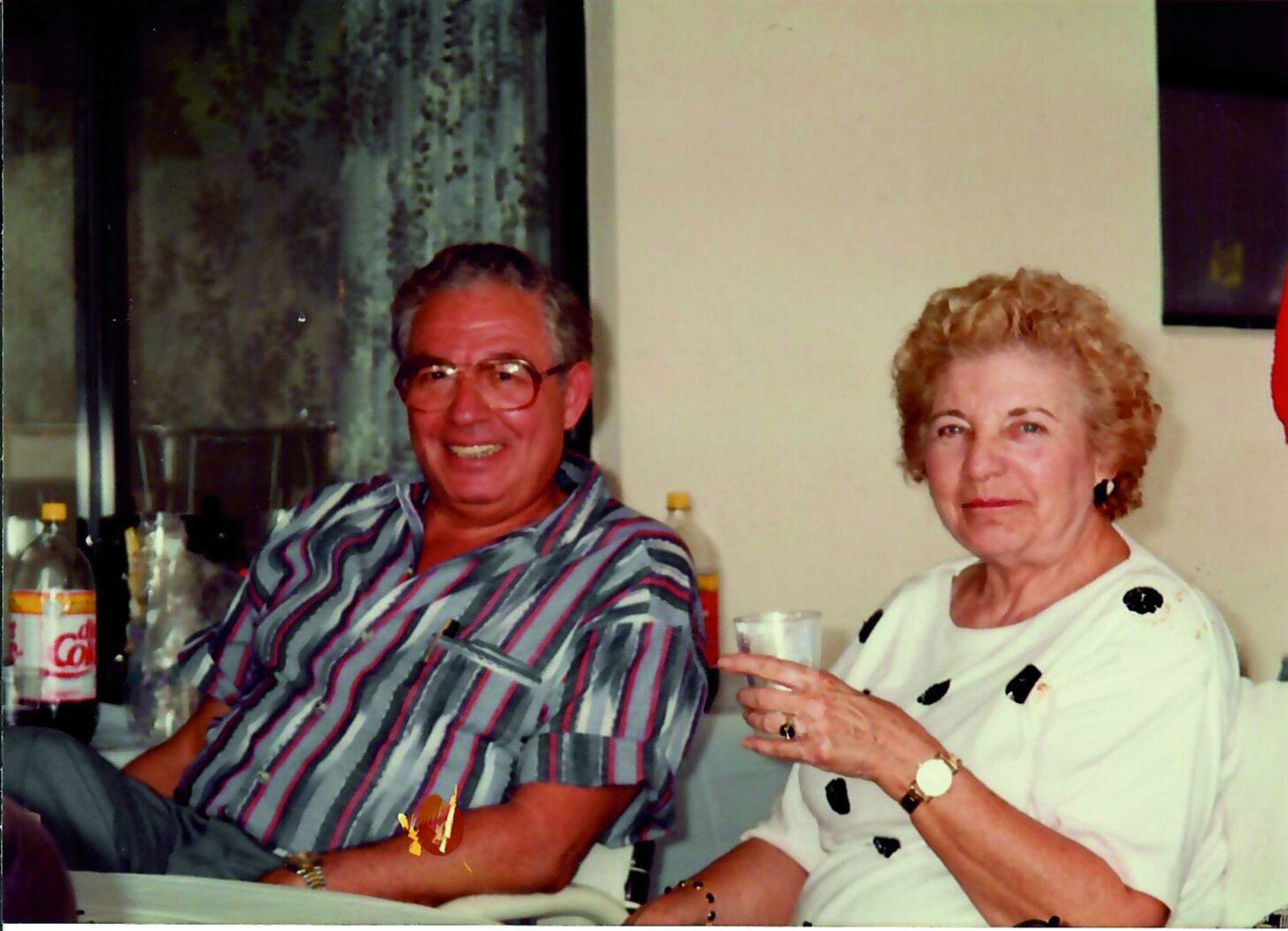
Their son, Robert Grossman, grew up in this learned and liberal Jewish environment in Floral Park, Queens.
I met Bob when he was 12. I was his Hebrew teacher and, as cantor, prepared him for Bar Mitzvah. In the years that followed, he became a well-rounded individual. Warm and outgoing, he enjoyed making people laugh with his sharp, quick response, and a good sense of humor. His nature was a strong and independent one. Bob knew what he wanted and always did it, as the song goes, “his way.”
Bob was a resourceful person with many interests. He was athletic and enjoyed tennis and golf. He walked several miles a day with a staff that made him look like Moses. Bob watched his diet and worked out in his gym. He was also an avid fan of baseball and boxing.
For many years, like his father Sid, Bob was in the field of mortgage and finance. He loved his profession and was frequently called in as a consultant to other people in the same business. In 1984, at the age of 40, he became the CEO of a mortgage company.
Once, when I was in the Long Island vicinity where he worked, I called Bob, and he asked me to visit him. Relaxed and sun tanned, he welcomed me to his office. There seemed to be about a dozen people working there that day. He looked at me and said, “Cantor, I have two surprises for you today.”
“Bob,” I answered, “I haven’t seen you in several years, what could the surprises possibly be?”
“Last year, I made a million dollars!”
“Wow!” I exclaimed. “Before you take my breath away completely, what surprise could possibly follow that?”
What followed was truly amazing! Bob chanted the entire “V’ahavta” prayer, (And thou shalt love the Lord your God….) in Hebrew. His chanting of this central prayer in Hebrew was as precise as it was 27 years earlier. “Bob,” I said, “I never thought that I was that good a teacher. But you, obviously, were that good a student. Your memory is memorable.”
Cantors Trip to Israel
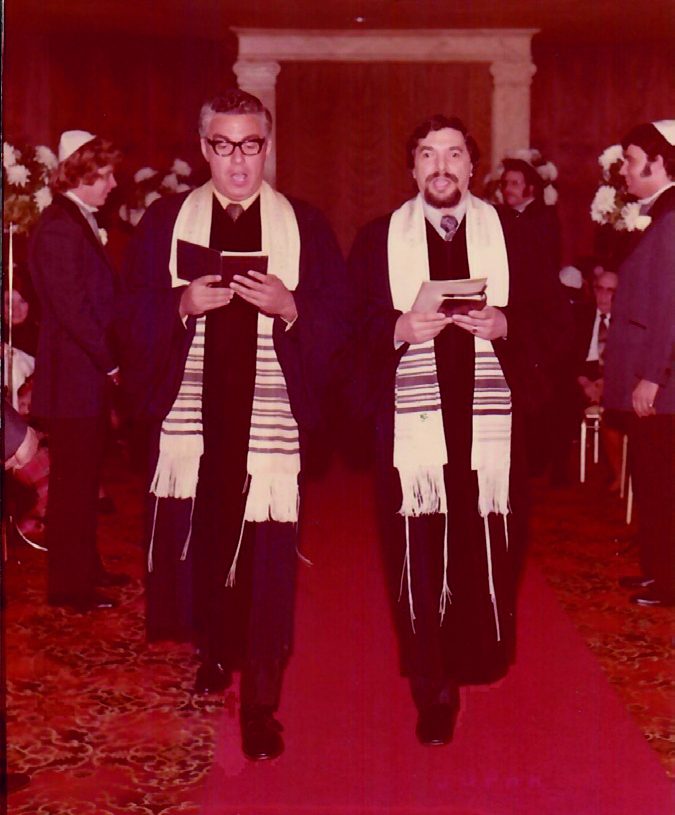
In July of 1958, Harry Coopersmith (1902-1975), a talented musical instructor at the school, was organizing a trip for cantors to visit Israel for two weeks. Thirty-five cantors signed up for this opportunity to visit and study with the leading Israeli musical scholars and composers and to tour the country as well. One day, we were privileged to meet a soft spoken, humble composer, Yosef Hadar (1926-2006), who taught us the latest song he had written. He asked us, “Please take it back to America with you and teach it to your congregants.” Now, many years later, that song, “Erev Shel Shoshanin” (An evening fragrant with roses), is so well known that it is mistakenly described as “traditional” or “folk song.” It is played and sung often at weddings.
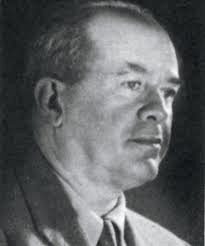
Another day, we visited the stately home of Marc Lavry (1903-1967), a prolific composer and distinguished conductor. He assembled a choral ensemble for the occasion that delighted us with their musical program. As if that weren’t enough, a big surprise came looking for me. A young Israeli in his mid-twenties came up to me and wanted to know if it would be okay to ask me three questions.
I answered in Hebrew, “Of course, ask.”
“Do you live in New York City,” he asked.
“Yes,” I answered.
“Were you born in Israel?”
“Yes,” I nodded.
“Is your second name Shulkes?”
In a very surprised voice, I told him “Yes! That’s my name!”
Abandoning all restraint, he grabbed and embraced me and in the loudest voice, happily exclaimed, “Ben dodi! I am Aryeh, your cousin.” He recognized me from the pictures my mother sent her sister, Zippora, over the years. What an unforgettable day that was!
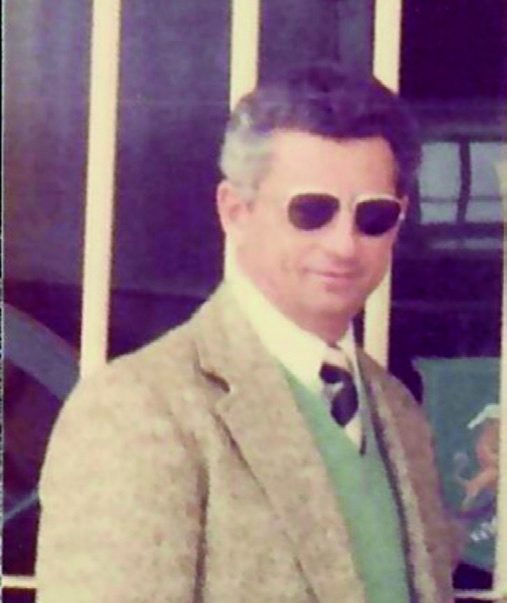
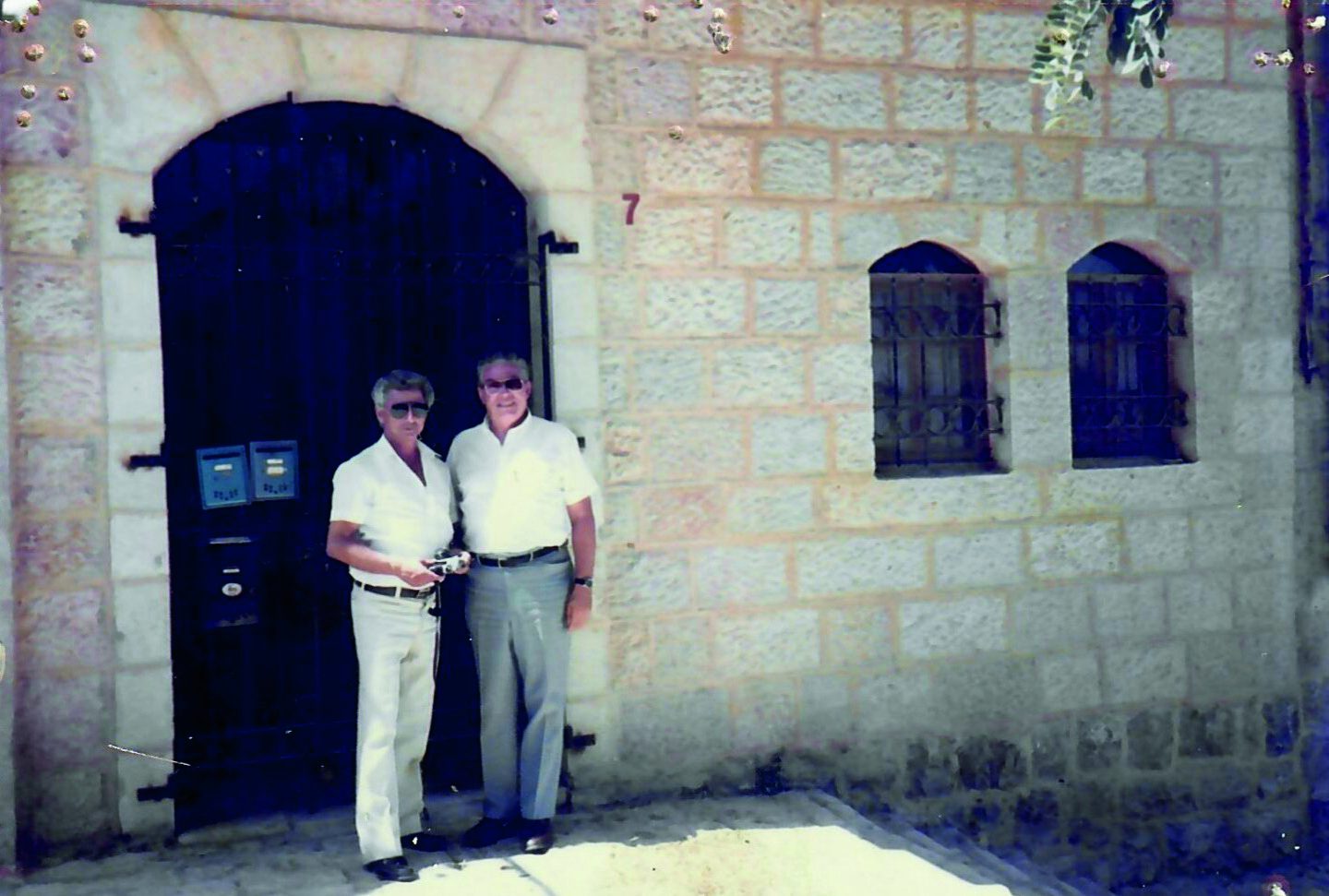
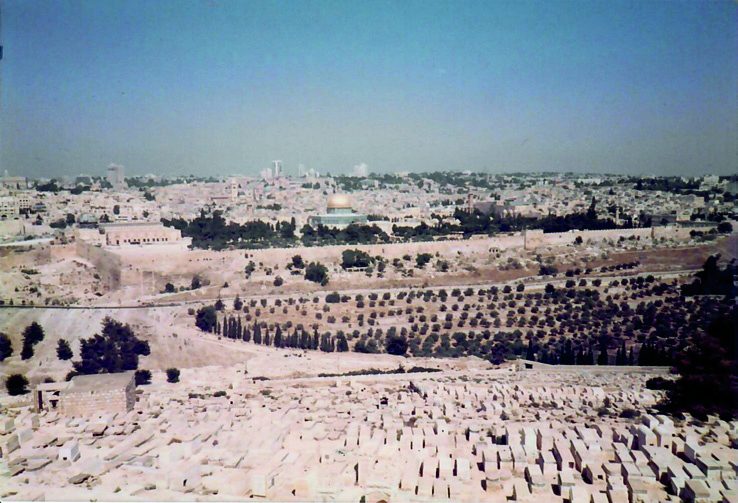
The next day on his motorcycle, we rode through the city of Jerusalem as Aryeh pointed out the many different historical sites and places of interest. I was riding right behind him, holding on tightly - very tightly - as I listened to his every word. How he loved Israel! We talked about our grandparents, Reuven and Sivia, who lived and worked in the old city, in Jerusalem, and were both buried on the Mount of Olives in the late 1930s.
It was during my Israel trip, in the port city of Haifa, that I met another cousin, Ziva. She was my Uncle Jechiel’s daughter and was Miss Haifa of 1957 and visited me at my hotel.
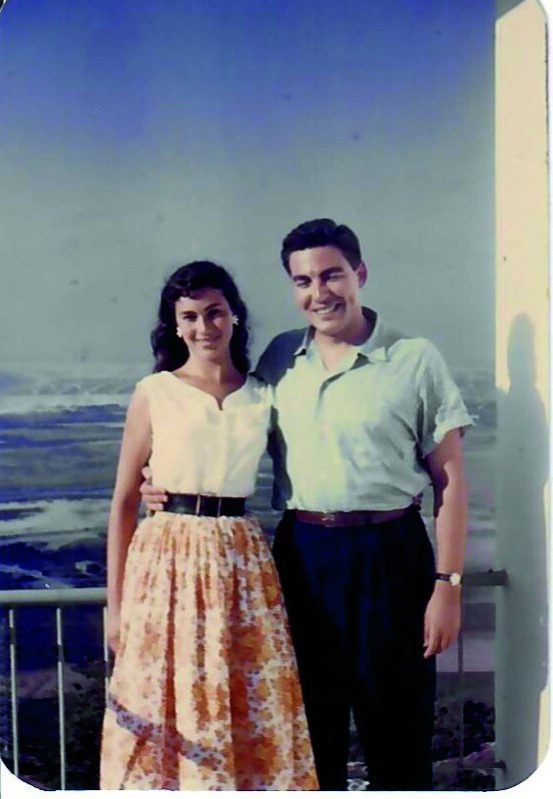
We talked about our family that lived in Tel-Aviv, Haifa and Jerusalem. She was a charming young lady with a fairly good command of the English language. She greatly impressed my fellow cantors who were constantly questioning whether she was truly my cousin.
Traveling Through Europe
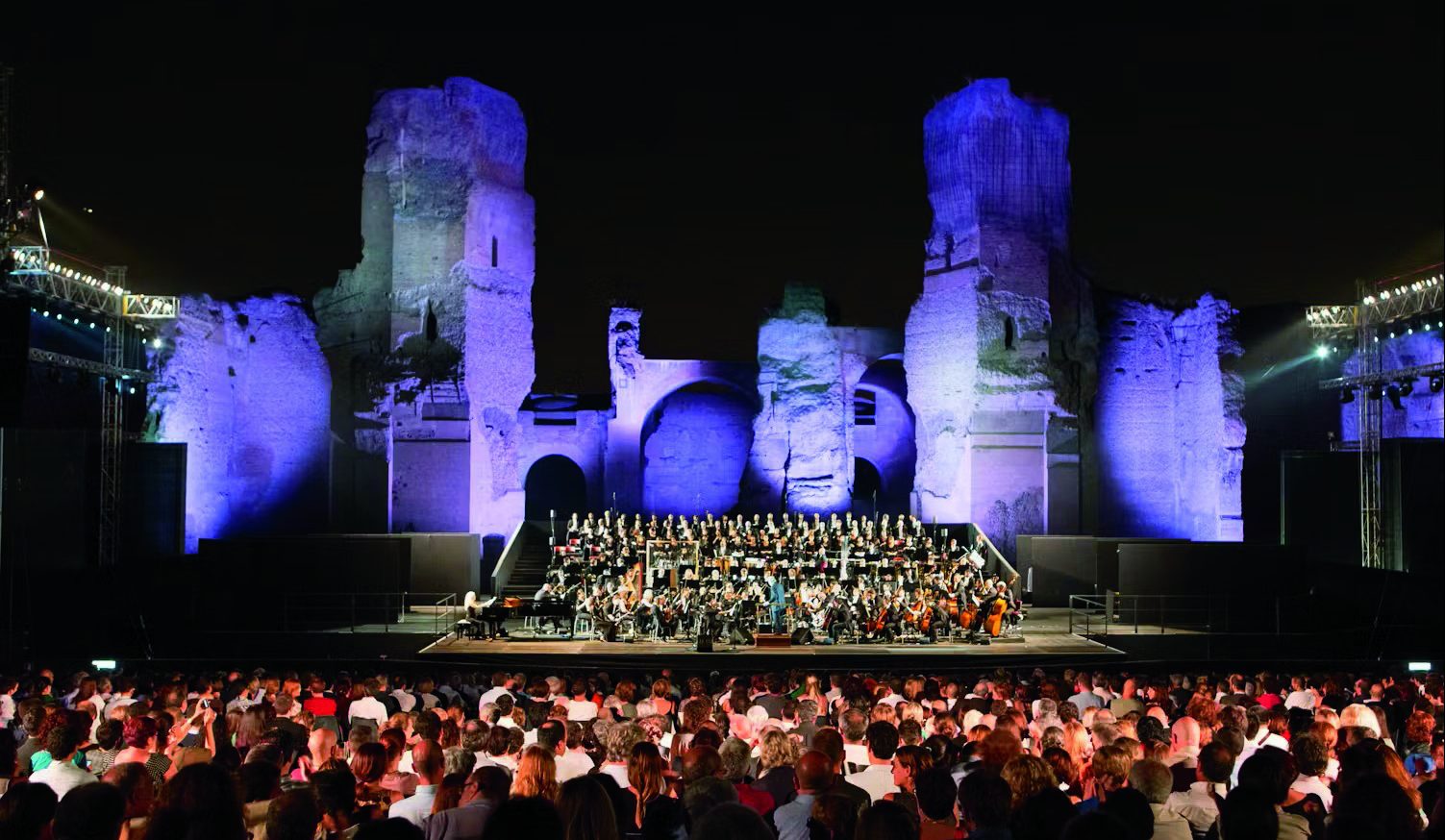
Following the cantors convention, my longtime friend and colleague, Martin Feldman, and I, traveled through Israel and Europe. We spent much time in Rome and signed up for several guided tours. Marty and I also enjoyed Verdi’s “Aida” that was performed at the Baths of Caracalla in Rome. What surprised and amused us most at that concert was the manure left by the elephants while parading on stage during the opera performance.
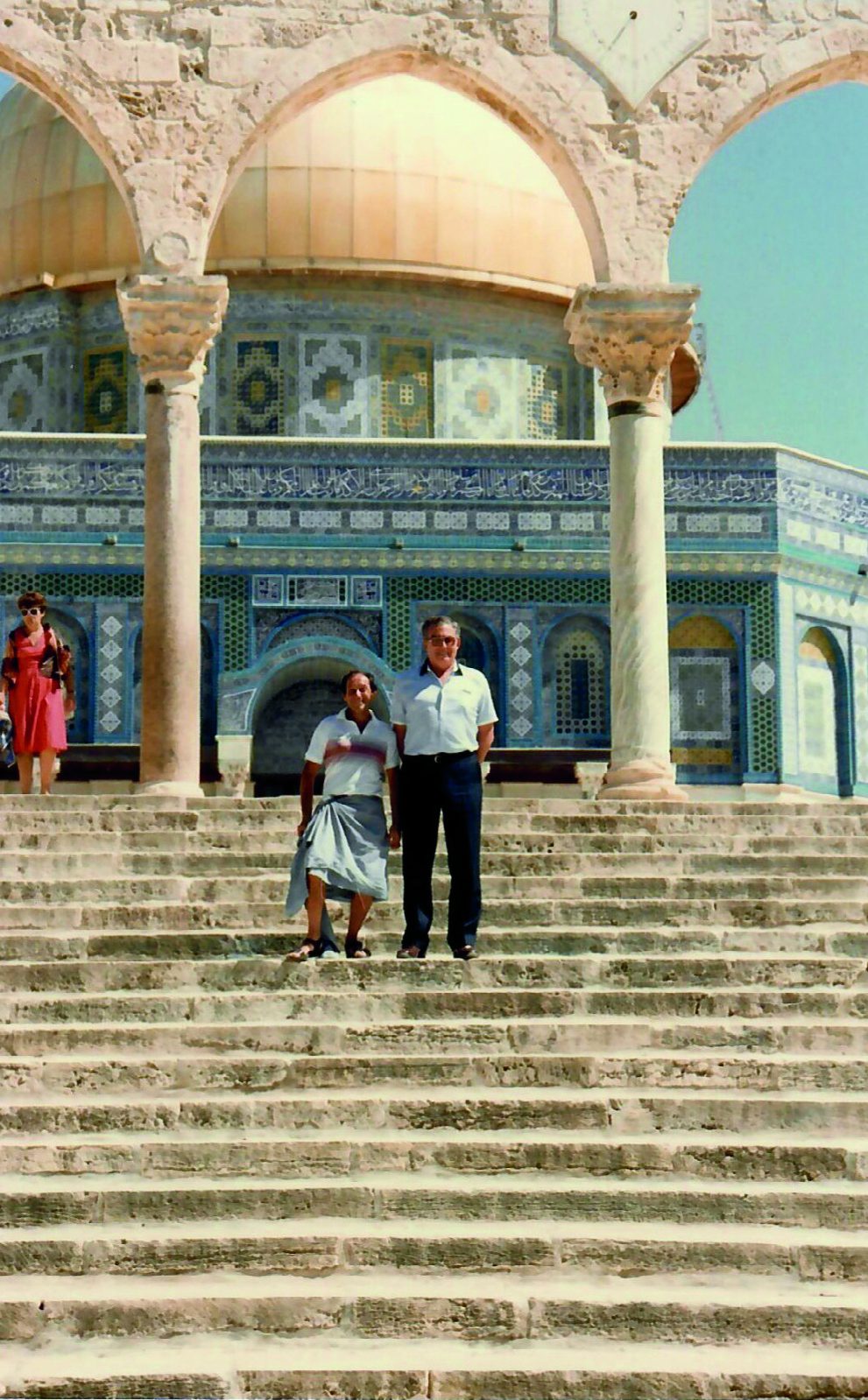
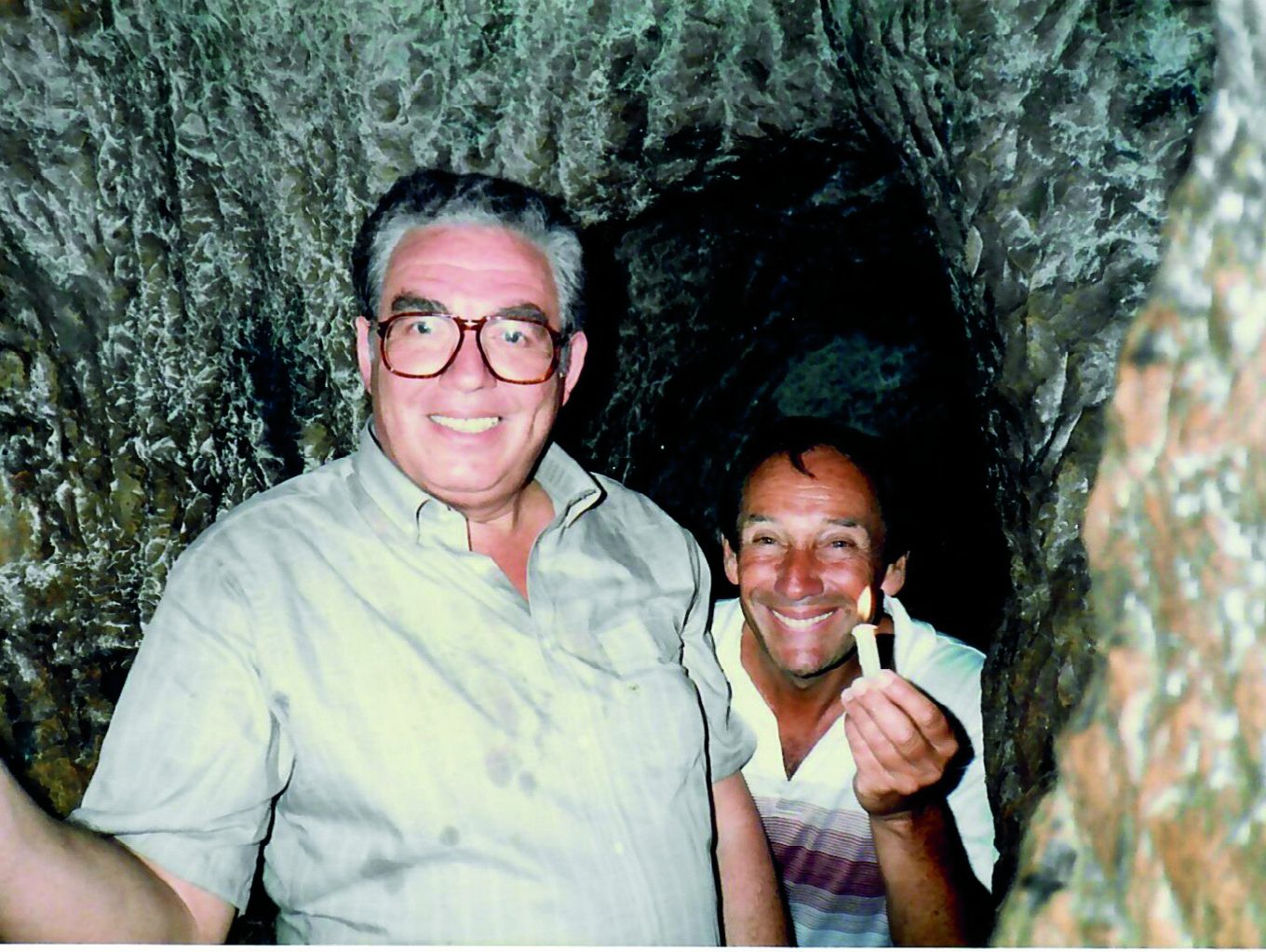
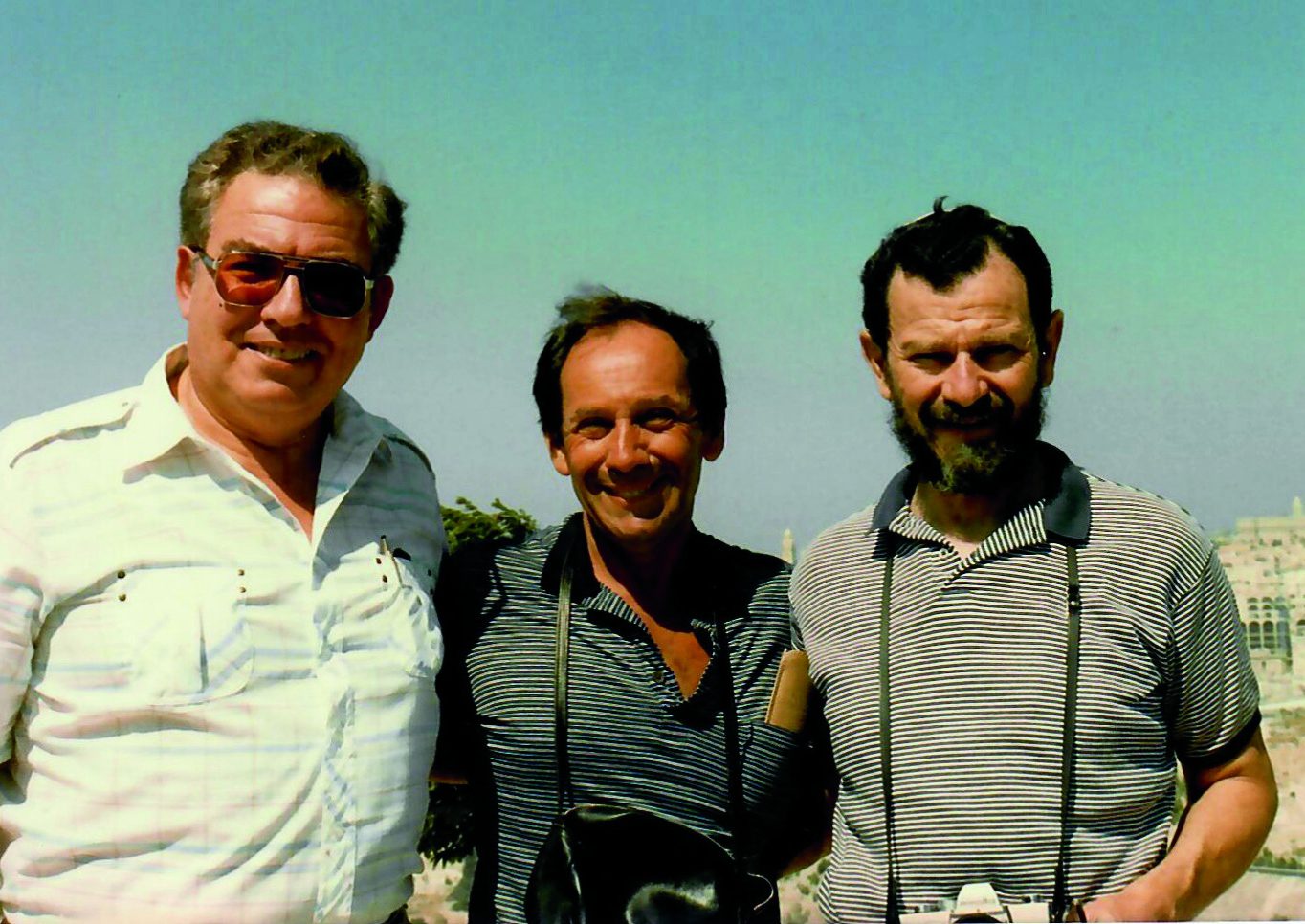
The last weekend of my trip, I spent with my cherished music teacher, Cantor Moshe Nathanson and his charming wife, Zipporah. We met in Israel that summer and arranged to meet at Expo 58, the Brussels World’s Fair, a few weeks later. He introduced me, with his vast knowledge and enthusiasm, to the joys of Jewish music at my yeshiva in Borough Park, Brooklyn.