Finding a Job
Following my high school graduation, I looked for a daytime job. An aptitude testing service that I took a year before with B’nai B’rith recommended that I consider the legal profession as a future career. I chose a position with the legal division of the Department of Health in downtown Manhattan. A lot of the work dealt with restaurants that were not in compliance with sanitary health conditions and were in danger of being closed.
After a few months, I found another position with a prestigious law firm, “Rosenman, Goldmark, Colin and Kaye,” in the Wall Street area. I worked at the telephone switchboard and ran errands and deliveries to other lawyers and to the courts as well. I really liked bringing my bag of lunch a few blocks away from work to Trinity Church Cemetery and eating it there on a bench. It was a few steps away from the burial ground of Alexander Hamilton whom I admired.
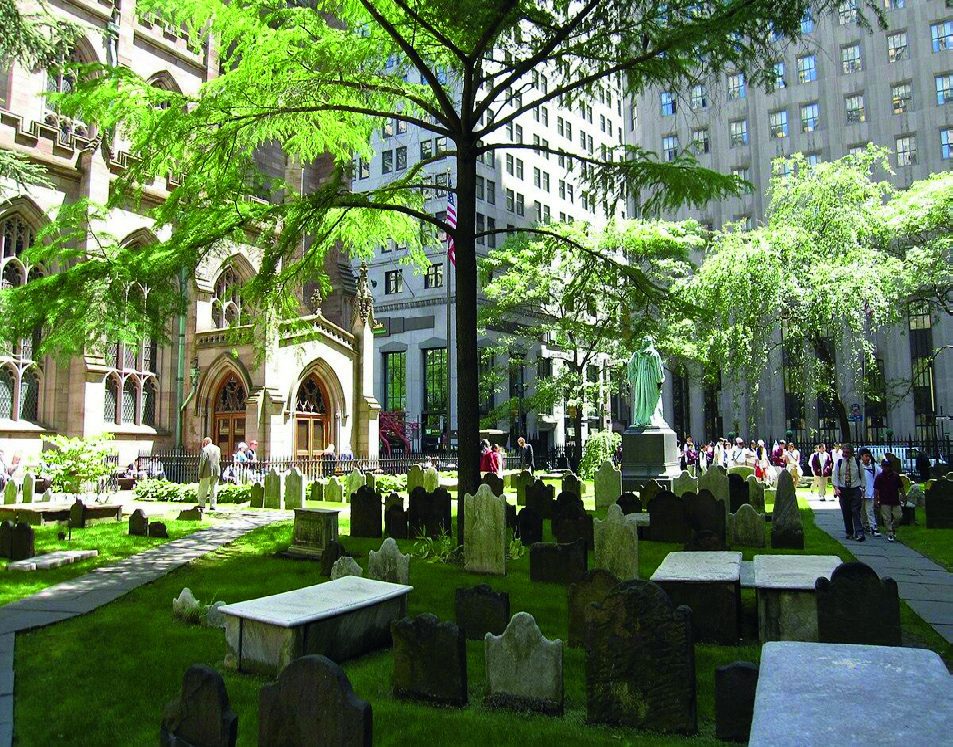
Judge Samuel Rosenman, former adviser and speechwriter to President Roosevelt and, at that time, adviser to President Truman, was clearly the head man at the firm. He was familiar with my religious background and was always nice to me. One day, he came to me and said,
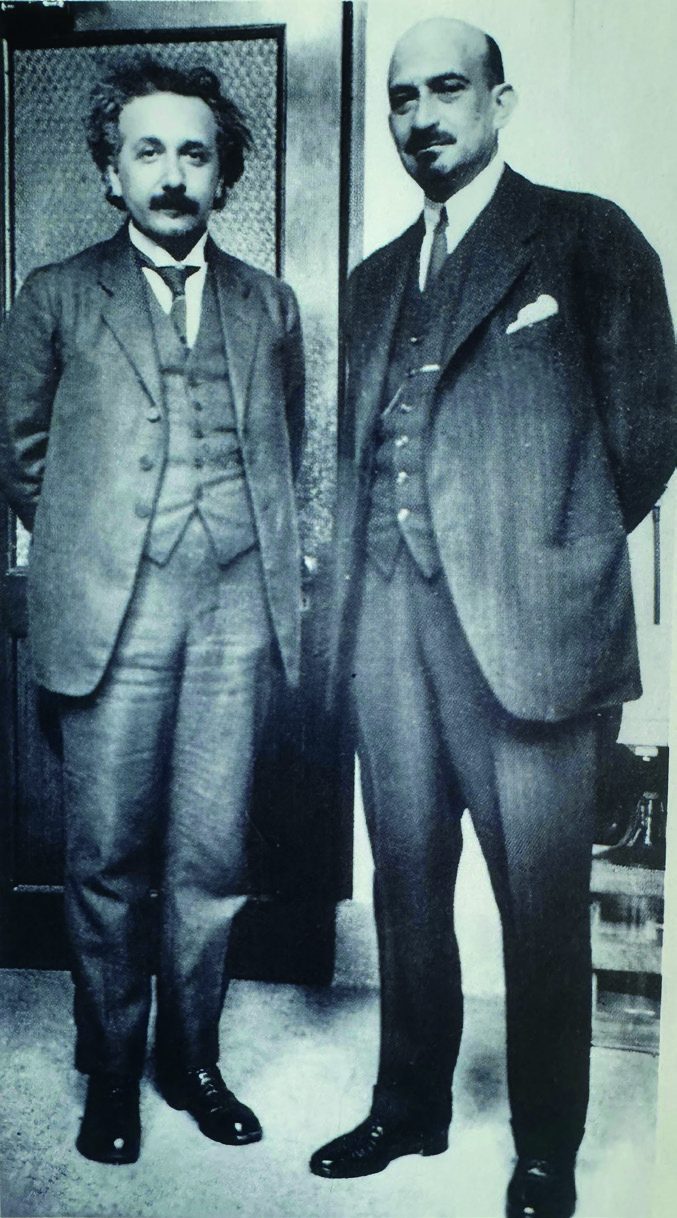
“Irving, get Dr. Weizmann on the phone for me. He’s staying at the Waldorf.” “Do you mean Chaim Weizmann?” I uttered as I stuttered each word at a time. “Do you know of him?” the judge asked. “Of course, I do! He’s a scientist and one of the great Zionist leaders of our time,” I answered. At the switchboard, I called the hotel and asked for Dr. Weizmann, who picked up the phone. “Is this Dr. Chaim Weizmann?” I asked. “Yes” came the answer from Dr. Weizmann with a rising inflection. “Judge Rosenman would like to speak with you” and the Judge came on. As a 17-year-old, I could not have been more impressed with those last few moments.
Third Street Music School
That same year, I auditioned for and won the Jean Tennyson Music Award which allowed me to take voice lessons at the Third Street Music School in lower Manhattan. In the school chorus, under the direction of Julius Rudel, I was exposed to some of the choral works of the great masters. The private voice lessons combined with the choral sessions were very stimulating and uplifting. Several years later, Mr. Rudel became the principal conductor of the New York City Opera. To this day, I remember quite vividly the effect those choral rehearsals had upon me. The “Kyrie” (Lord, have mercy), in the opening section of Mozart’s “Requiem” with 75 voices and full orchestra, readily comes to mind. What the conductor was able to accomplish with the volunteers in the chorus and orchestra simply amazed me. My passion for the choral sound was clearly developing.
Working in the Catskills
While I was living at home in Brooklyn, I felt I had to support myself and contribute towards the financial support of my family as well. In the upstate New York Catskill Mountain area, commonly called the Borscht belt, I found the opportunity to work. For the next few summers, I worked at various hotels as a busboy, children’s waiter and, eventually, as a waiter. There were hundreds of hotels in the area that catered to a Jewish clientele. I also worked during the Passover holiday. There were many 17-20-year-old high school and college students working the hotel area and many friendships were formed.
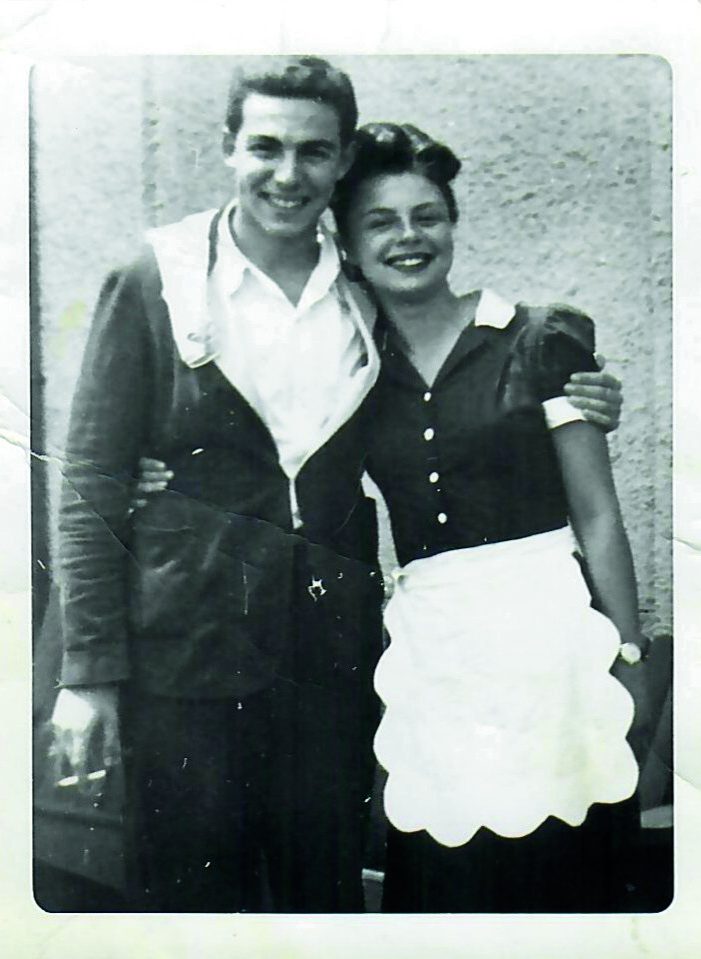
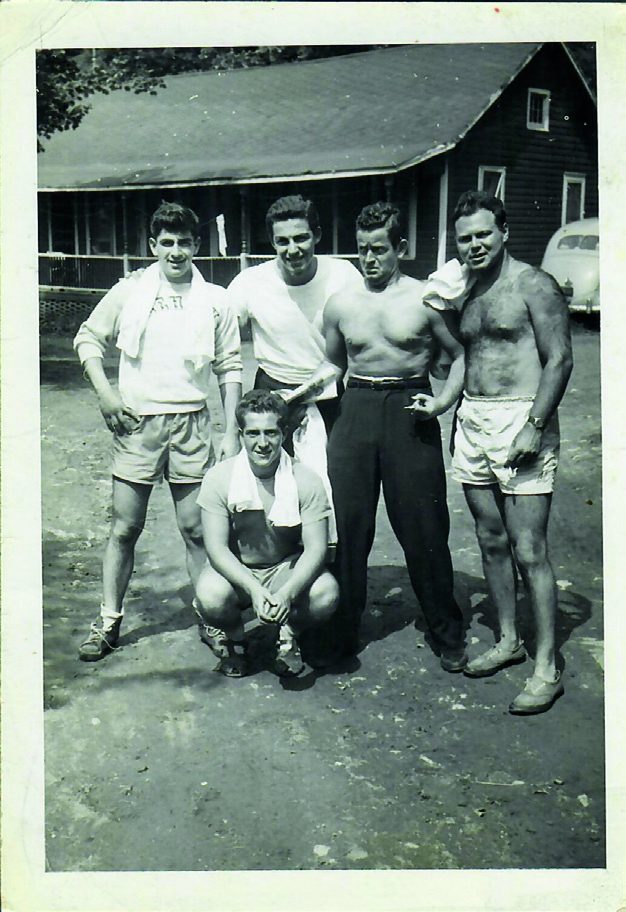
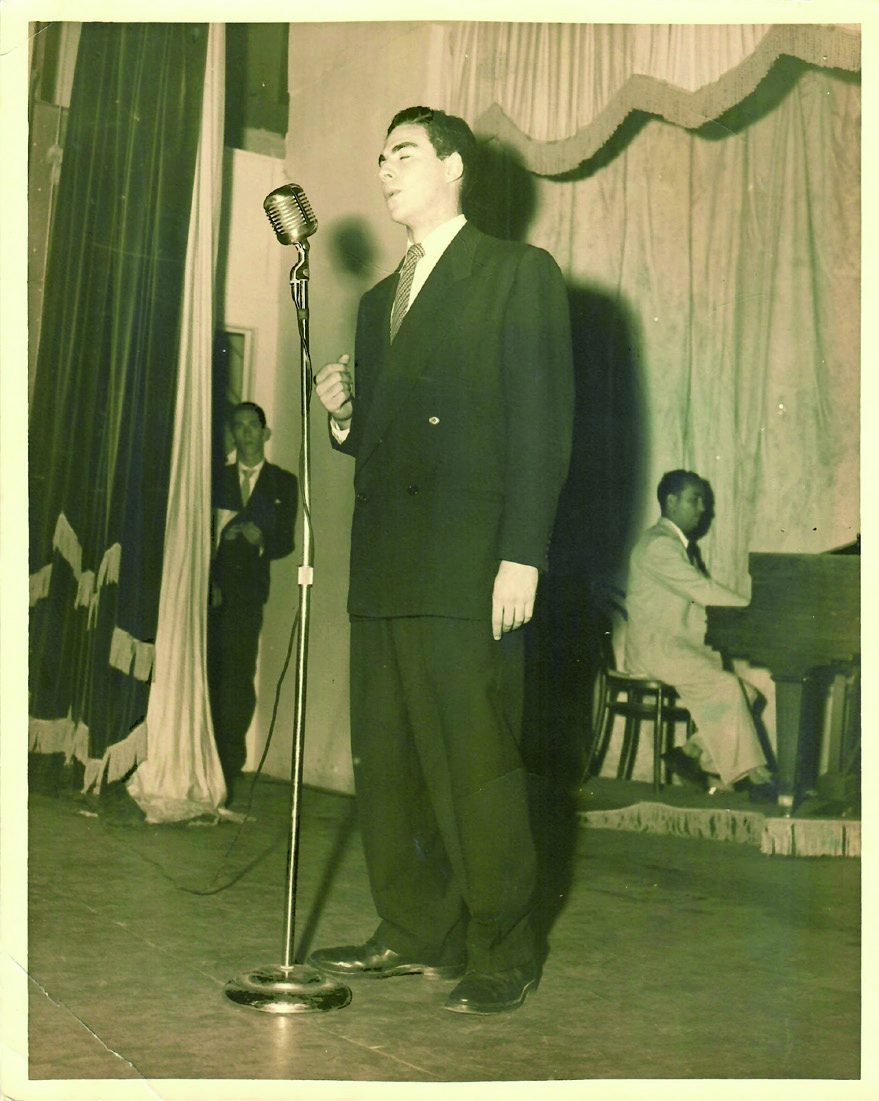
I worked hard, but this was me at play. The only pay we received for the entertainment were in the compliments that followed.
Enrollment at Brooklyn College
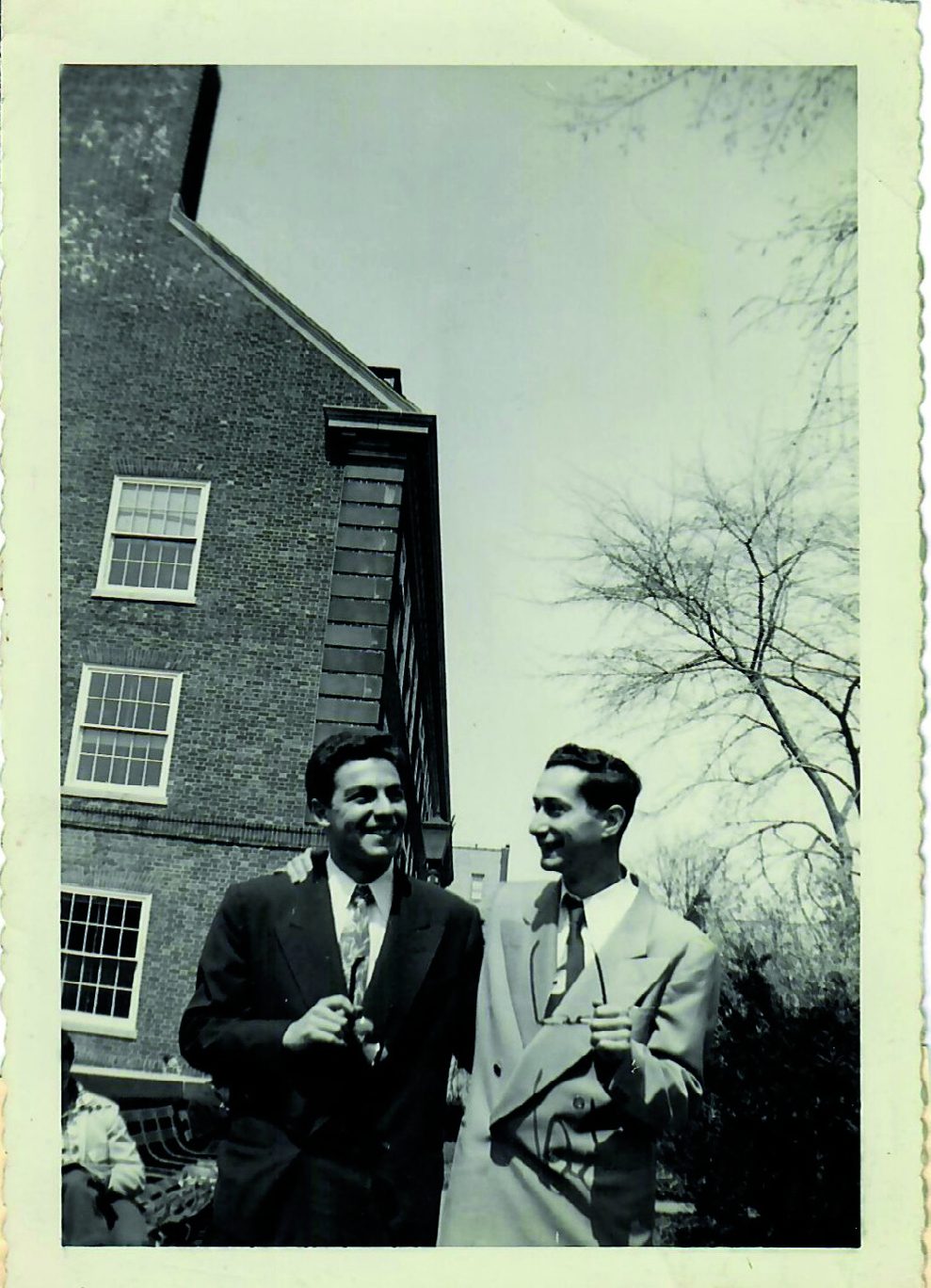
In 1947, I applied and was admitted to Brooklyn College, a short distance from where I lived. The biggest surprise for me at the college was being excused from taking any of the required speech courses because of my speech qualities and competency. This recognition from the speech department staff really moved me. Maybe, I thought to myself, I should pursue a profession in the field of speech.
Academic life at Brooklyn College was appealing and challenging. I took courses in history, government, political science, constitutional law, English literature, Shakespearian tragedy, and eventually wound up taking a quarter of all my courses in speech education, pathology, physics of speech, phonetics, interpretive reading, argumentation and debate. In addition, in 1949 and 1950, I appeared in two plays presented by the speech department, Emerson Browne’s “The Bad Man” and George Kaufman and Moss Hart’s “The Man Who Came to Dinner.” My short life as an actor was very gratifying.
Teaching at Boys High
In 1951, I graduated from Brooklyn College, became a high school speech teacher and was assigned to Boys High School in Brooklyn where I taught speech and English. It was a big challenge for me at the school where the average class size was 35 students. I was warmly welcomed to the school by the principal, Alfred Tausk. Also, the chairman of the department, Martin Blum, was particularly helpful to me as a beginning teacher.
Enrollment at Teachers College
I also enrolled at Teachers College, Columbia University. I was working towards my master’s degree in speech and attended evening classes during the week. Luckily for me, I could take the train from Boys High to the lower east side of Manhattan. There, at the Garden Cafeteria, I would dine on Kasha Varnishkes, a Jewish American dish that combines kasha with bow-tie shaped egg noodles, together with carrots, peas and corn. After satiating my appetite with that memorable dish, I would continue on to Teachers College.
At the college, I discovered an amenity that was truly essential for my well-being - a dormitory room close to the entrance where I could get thirty minutes of rest and quiet. Yes, it turned out to be a restful and energizing year for me!
Greeting us as the president of Columbia University at the end of year ceremony in June 1952 was none other than Dwight D. Eisenhower, who would become our thirty-fourth president of the United States a few months later in November 1952.
Summer Trip to Mexico
At the end of my first year at Boys High School, my colleague Marvin Wasserman and I planned a month-long trip to Mexico. We started out on a sunny morning in July and, after a week of driving, entered Mexico through the city of Brownsville, Texas. As a teacher of Spanish, Marvin’s ability to communicate in the language was a distinct advantage while my knowledge of Spanish was, at best, fair to good.
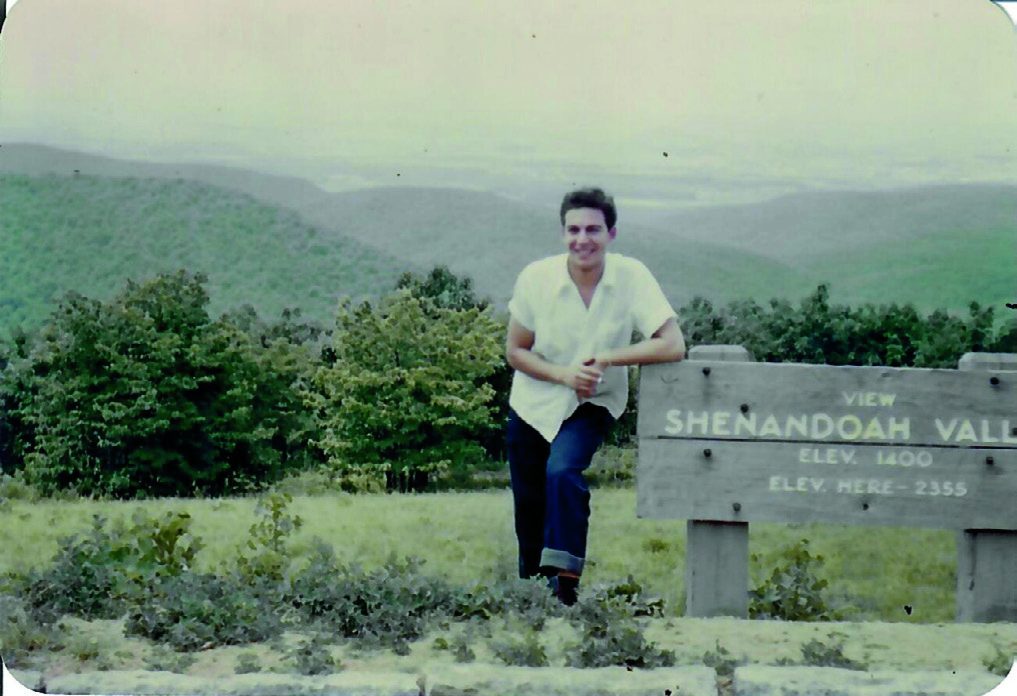
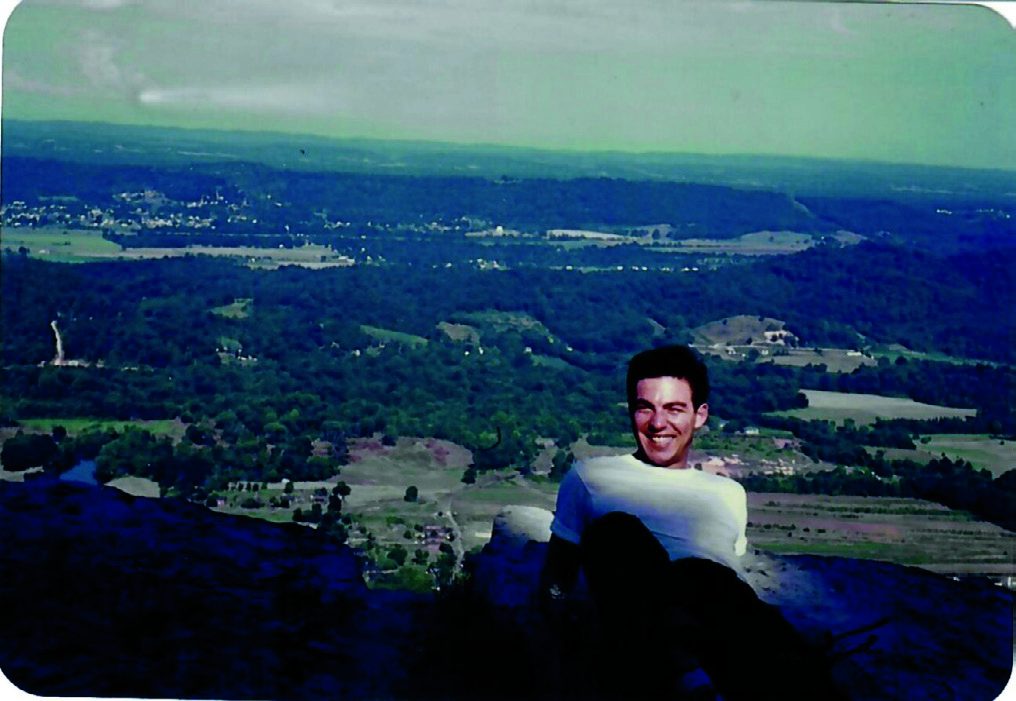
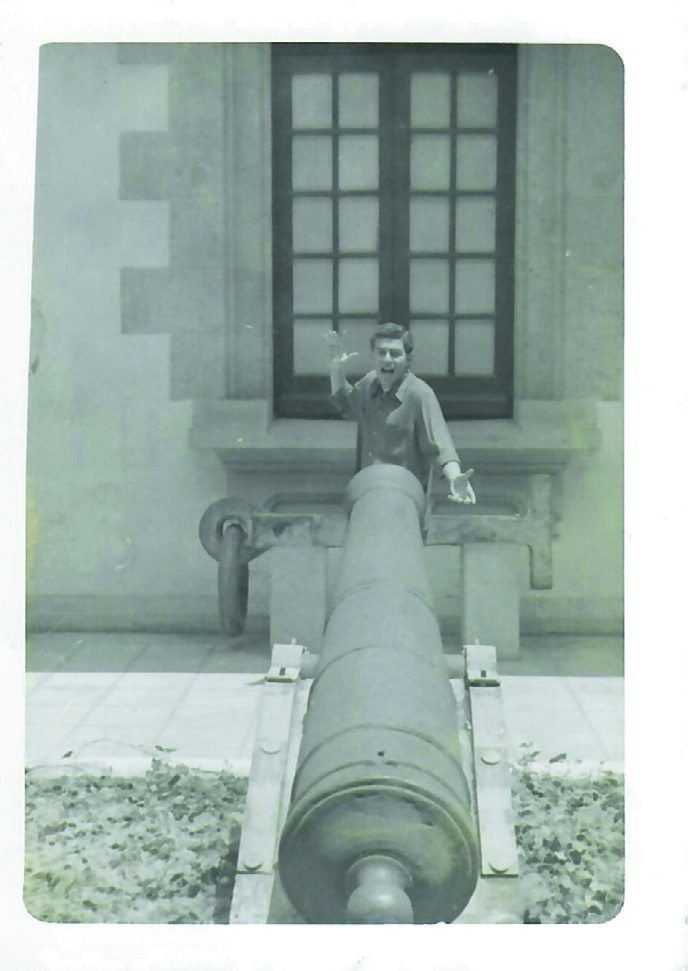
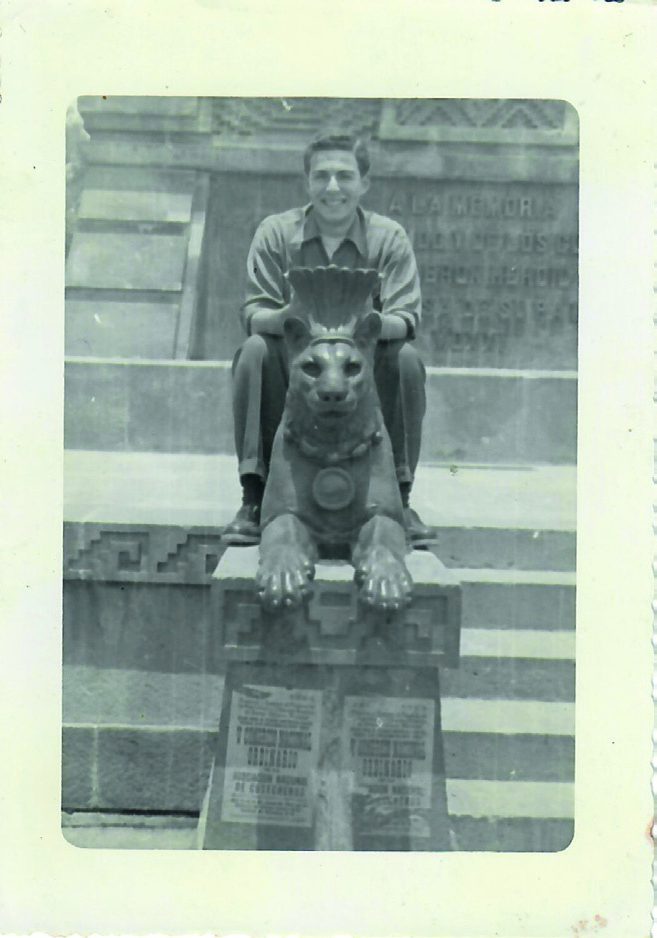
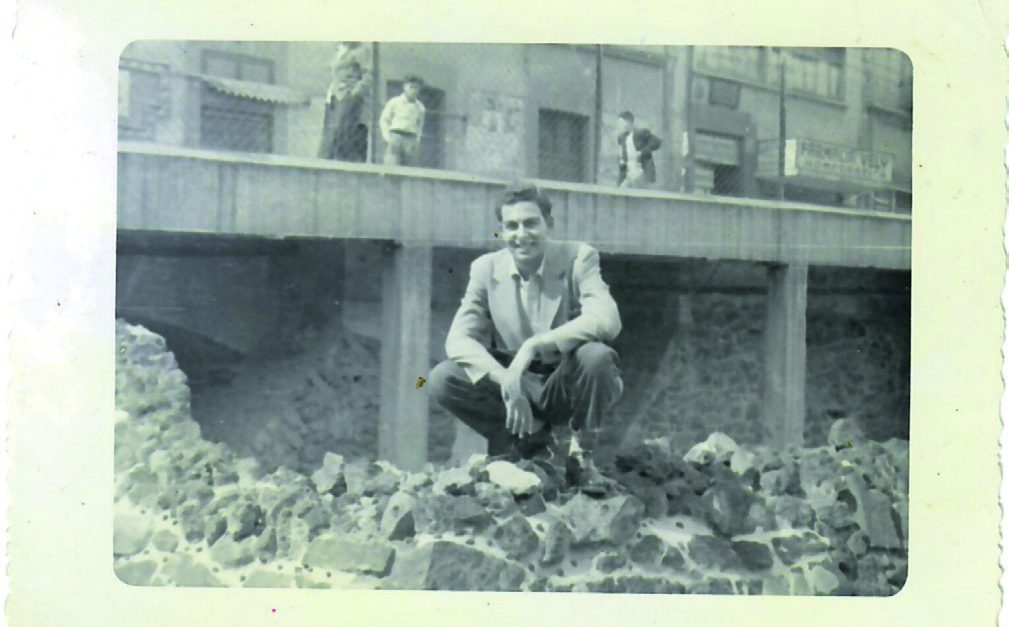
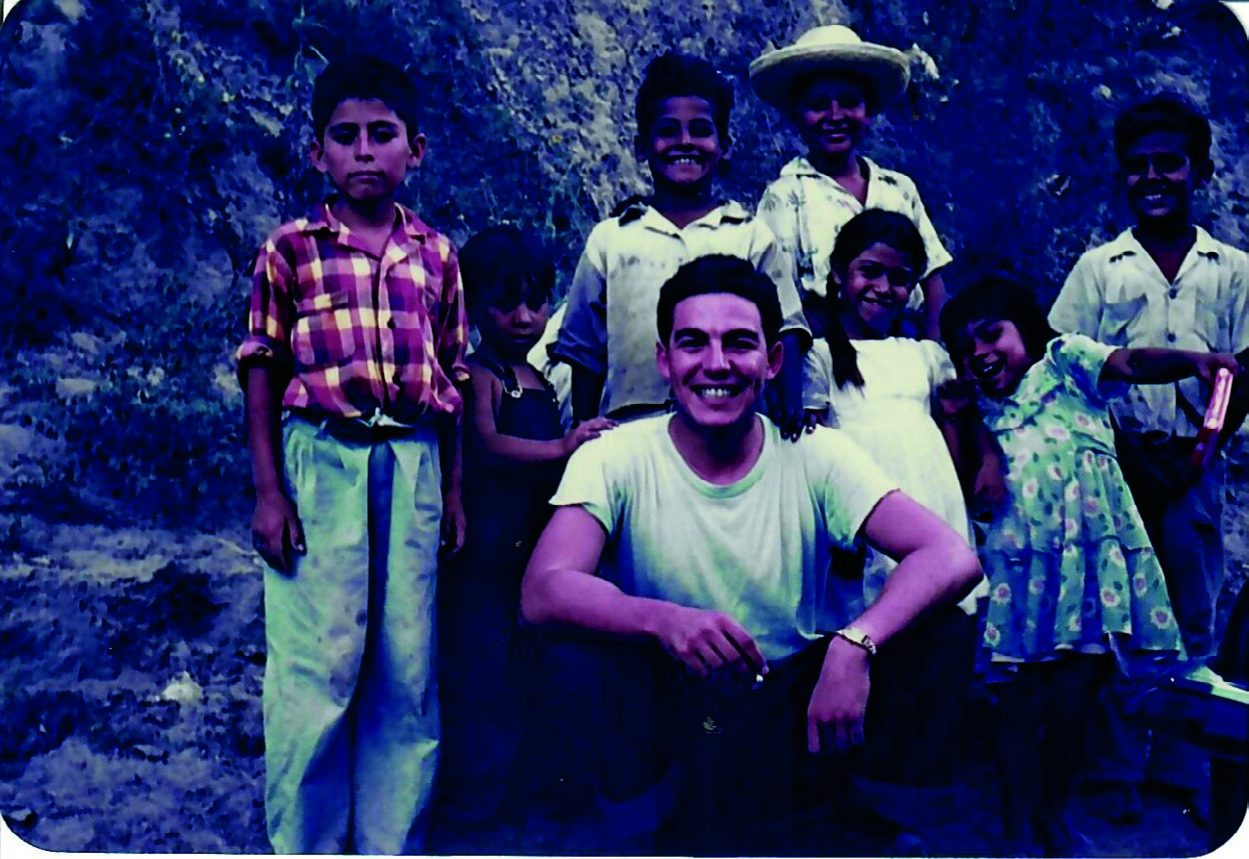
The next few weeks flew by rapidly. We were fascinated by the sights and experiences we encountered along the way to Mexico City. We stayed for a week in the city where we enjoyed a concert at the Palace of Fine Arts, a visit to the Pyramid of the Sun, and other tourist attractions. We ate at some of the fine restaurants and thoroughly enjoyed our visit. We drove back to Brownsville at the end of our fourth week of travel.
It was time to call my parents and when I did, I got the shock of my life. I had been drafted into the U.S. Army and was ordered to report to the recruitment center in New York City within the next few days. Marvin and I were both disappointed, but it was clear that I would have to leave immediately. I made the necessary arrangements to fly back to New York City the following day.