Cantorial School
In the fall, I enrolled at the Hebrew Union College School of Sacred Music on West 68th Street in Manhattan. As a veteran, the GI Bill took care of my entire tuition. Through the school, I succeeded in finding a student cantorial position in New Jersey and, luckily, was able to rent a small one-bedroom apartment in Greenwich Village right off Bleecker Street. I took the train to upper Manhattan and a bus to get to my temple in Closter, New Jersey. The congregation there was very small in numbers and met in one of the auditorium rooms that the city made available to them.
In the course of our education, each of us has been exposed to teachers of all kinds - good, bad, and indifferent. All of us, however, remember those few special and inspiring teachers who are all too rare. These are the ones we never forget.
Instructors at Cantorial School
As a first-year student in cantorial school, I was amazed at the quality of instruction. One of my professors, Dr. Abraham Binder (1895-1966), taught cantillation and musical repertoire. He is known as the composer of the candle blessing that is presently sung on Sabbath eve in synagogues throughout the country. He was passionate and enthusiastic in his work.
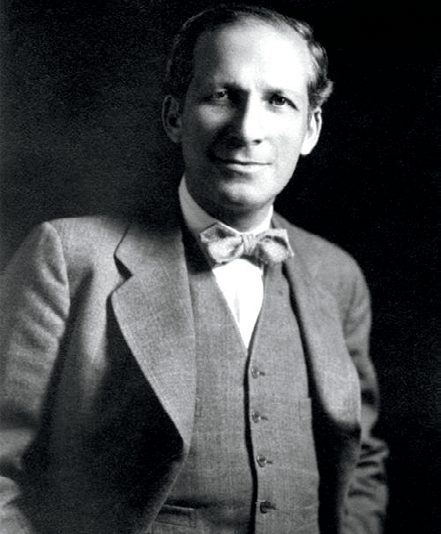
I was so fully entranced by his gifted presentations that I was almost unaware of his stuttering. It simply meant that I listened more intently. He had a teaching style that was both poetic and dramatic, particularly when he explored the repertoire of synagogue music.
We were studying a musical composition by Heinrich Schalit (1886-1976), a master of the blending of traditional music with modern harmonic style. It was called “V’shamru,” (And the children of Israel shall keep the Sabbath), a favorite of mine.
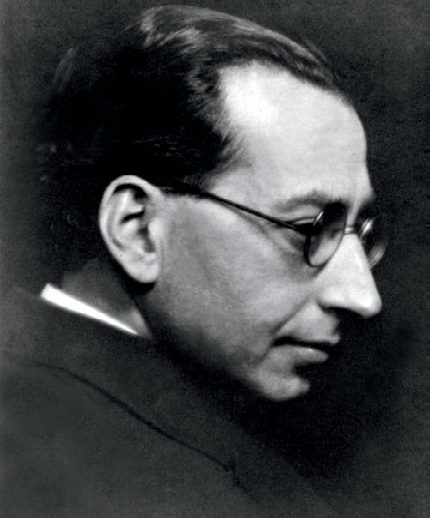
He singled out a particular musical chord and stuttered as he exclaimed: “The pollution of the earth is in that chord.” At that moment, we almost shook in our seats. He was a master of instruction. How often do you hear a musical observation like that!
One day, I asked Dr. Binder several questions about his music for the Torah service. He was too busy to answer at that moment. At the end of the session, however, he turned to me and suggested that the two of us have lunch and discuss my questions. What followed was one of the most exhilarating lunches I can remember. Not only were my questions answered, but I became increasingly aware that I was in the presence of a giant in the field of Jewish music.
Professor Binder was always searching for the proper musical harmony that would best reflect the synagogue modes. In 1961, he was the organist at the Stephen Wise Free Synagogue in New York City. I joined Rabbi Edward Klein in performing a wedding for my friend, Judy Ross. A few minutes before the wedding, I gave the music to Dr. Binder, my beloved teacher. One of the selections was the “Sheva B’rachot” (The Seven Benedictions) in the French Provence tradition from The Ephros Anthology.
I loved this chant so much that I wrote a musical arrangement for it. As I started to chant the melody during the wedding, I quickly noticed that some of the chords Dr. Binder played were quite different from those that I wrote. The element of surprise was certainly in his favor. For a few moments, I was stunned, but continued the chant. Dr. Binder was giving the selection his own flavor of modal harmony. I appreciated this and loved the piece even more. My own college arrangement of the seven benedictions was a good creative effort but could not even come close to this master teacher and composer. How could I ever forget this wedding!
Dr. Isadore Freed (1900-1960) was another wonderful professor at my school. He was a composer, conductor, organist and taught us composition and harmony. His book, Harmonizing the Jewish Modes (1958) was the first systematic treatment of the modes of Jewish music and a useful tool for organists in the last half of the twentieth century.
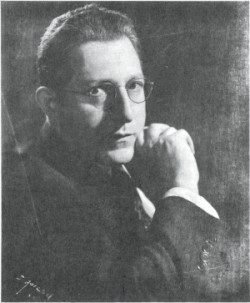
He was organized and made the subject of harmony a fascinating one. His many liturgical compositions have helped set a high standard for synagogue song. During my investiture, which was held at Temple Emanu-El in New York City, I sang part of his beautiful Torah service with the school’s cantorial choir.
Another instructor at the school was Dr. Eric Werner (1901-1988), the erudite and renowned ethno-musicologist. He was truly a fountain of knowledge who lectured without notes and whose memory astounded many.
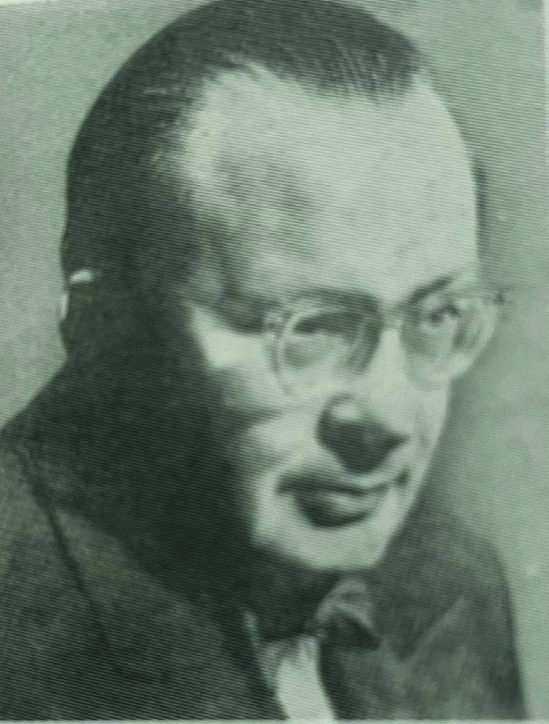
In the latter part of the 20th century, a “Minhag America” was clearly developing, a distinctly modern American trend in synagogue musical worship. Some of the compositions at the time were uplifting and appealing while others were tasteless and did not belong in the synagogue. As Professor Eric Werner observed: “Synagogue music, to live, must breathe the air of our time yet not neglect the legacy of our past.”
Each instructor, in his own way, was a source of inspiration: the emotion of Binder, the down-to-earth organizational approach of Freed and the intellect of Werner. All three were imbued with a great sense of dedication, boundless energy, and the ability to elicit the best from their cantorial students.
With great clarity, I remember an incident of the early 1960s. I drove Dr. Eric Werner, Cantor Reuben Rinder (1907-1966) of Congregation Emanu-El, San Francisco, and Dr. Johanna Spector (1915-2008) of the Jewish Theological Seminary, to the cantors convention in South Fallsburg, New York. I was fully aware of their contributions in the field of Jewish music and felt privileged to drive them.
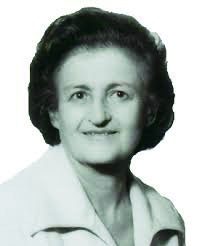
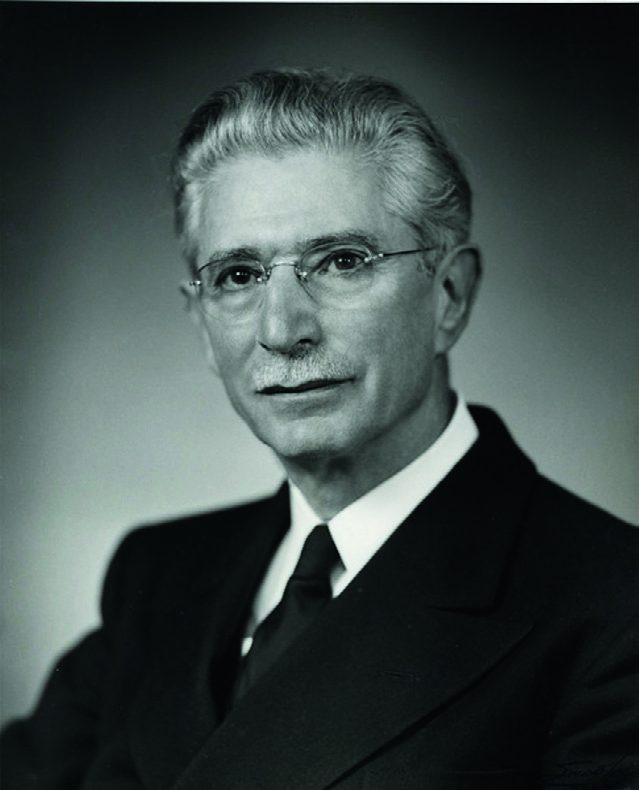
One of the subjects discussed was the use of string quartets in the Friday evening service - a concept way ahead of its time in the early 60s. The thought, however, mesmerized me. This, without a doubt, as a regular part of Sabbath worship, was unlikely to happen for quite some time. A lively debate ensued. I listened very intently and was so fascinated by the conversation that I lost my sense of direction, made the wrong turn, and went twenty-five miles out of the way.
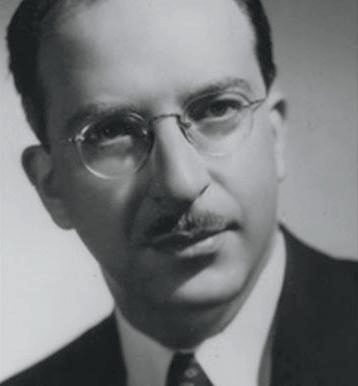
My musical coach at the school was Cantor Arthur Wolfson (1912-1977) from Temple Emanu-El in Manhattan.
One day we were working on a beautiful liturgical selection - a “Hashkiveynu.” I asked my beloved teacher: “How many congregants would you hope to move with this beautiful “Hashkiveynu?” In words that punctuated themselves, he replied, “If I can reach only one person in this vast congregation, it is worth all the effort.” I have never forgotten his cogent observation.
Cantor Wolfson recommended a fine voice teacher, Sidney Dietsch, who was surely the best one I ever had. He also recommended a voice doctor, Dr. Bruno Griesman, who I saw annually for an examination before the High Holy Days. One day at his medical office, he asked me to sing something “Jewish.” I chose “L’cha Dodi,” a chant from the composer, Lazare Saminsky (1882-1959).
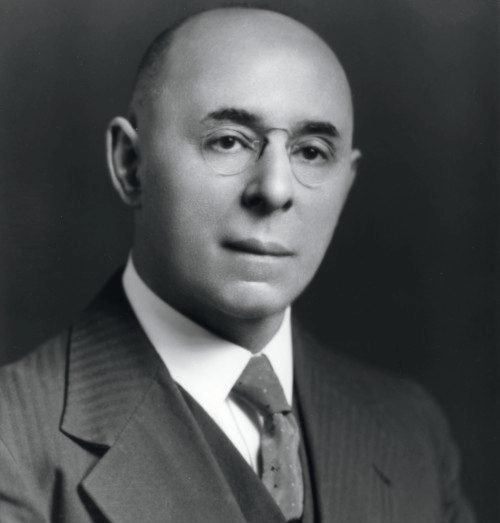
When I finished the chant, a man from the waiting room rushed in and asked, “That is a very interesting melody. I have never heard it before. What kind of music is that? It is most unusual.” Whereupon, Dr. Griesman looked at me and said, “Cantor Shulkes, may I present Jussi Bjoerling.” Mr. Bjoerling (1911-1960) was, of course, the world-famous tenor who sang at the Metropolitan Opera House.
My jaw dropped in pleasurable surprise as I warmly shook his hand. That was an exciting moment. Just think - singing liturgical poetry made it happen. You never know.
One of the visiting lecturers at the school was Max Helfman (1901-1963), who could make you laugh or cry in a single lecture. Another lecturer was Lazar Weiner, a gifted Yiddish composer and conductor who insisted that the singer cannot alter a single note of a vocal composition. Then, we heard from the vocal artist, Sidor Belarski, who felt very strongly that the singer can alter anything and everything to the singer’s advantage.
What became very clear is that your profession pretty much dictated your feelings and beliefs. The guest lecturers, and there were many of them, endeared themselves to us with their personal anecdotes, attitudes and philosophies. We just loved it! My time at the school was pure pleasure and among the memories I will always treasure.
Cantorial Colleagues
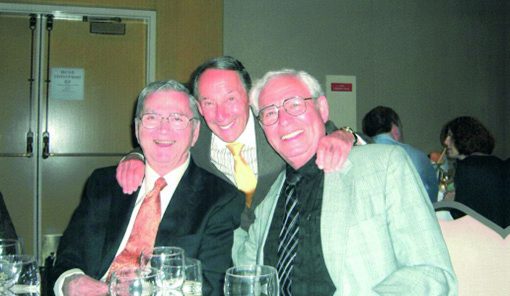
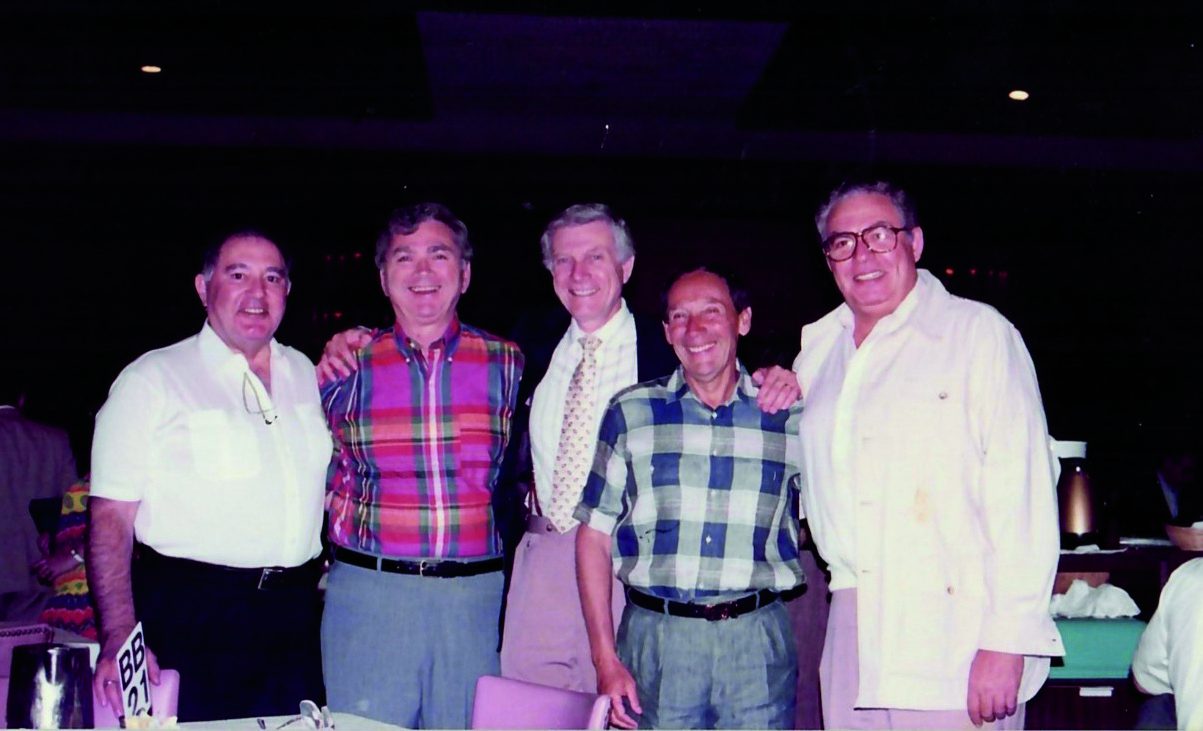
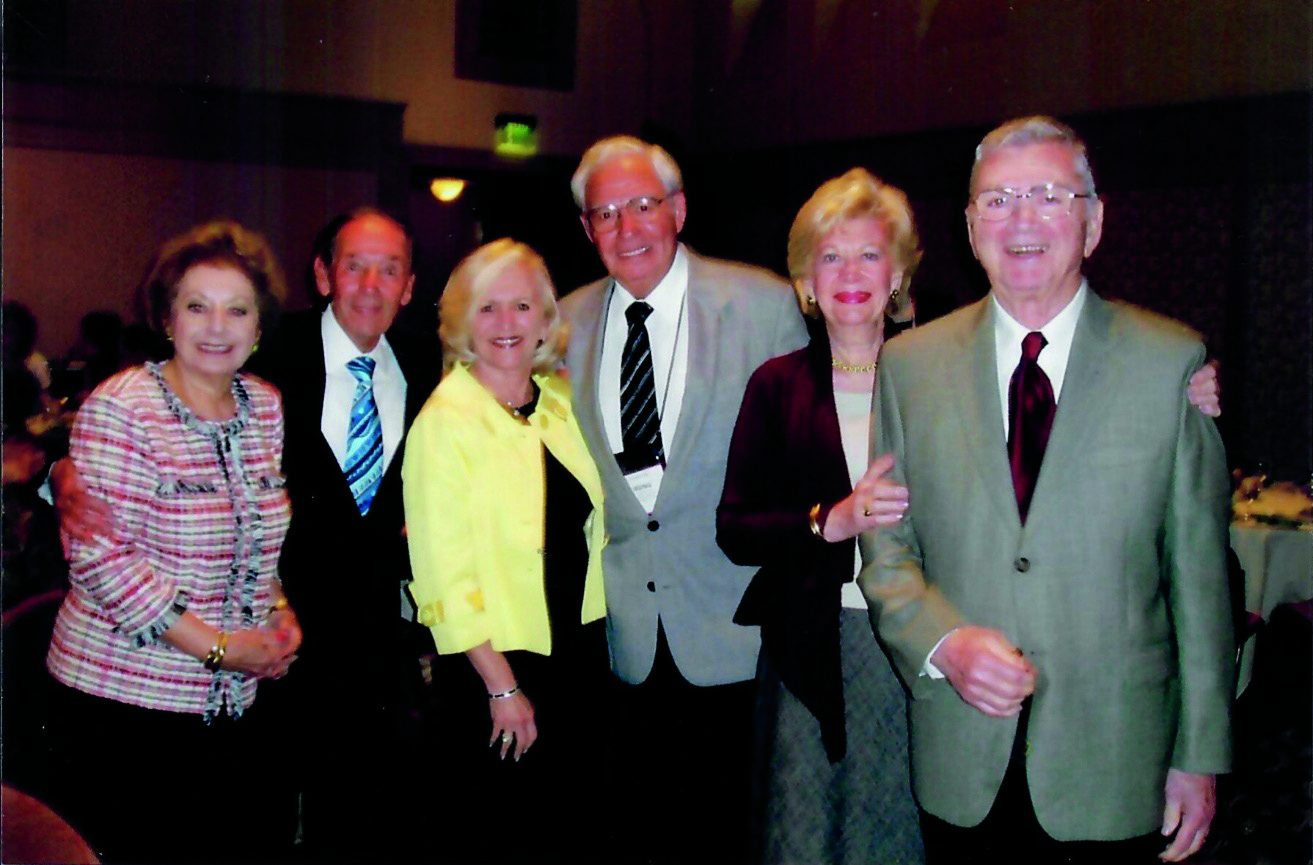
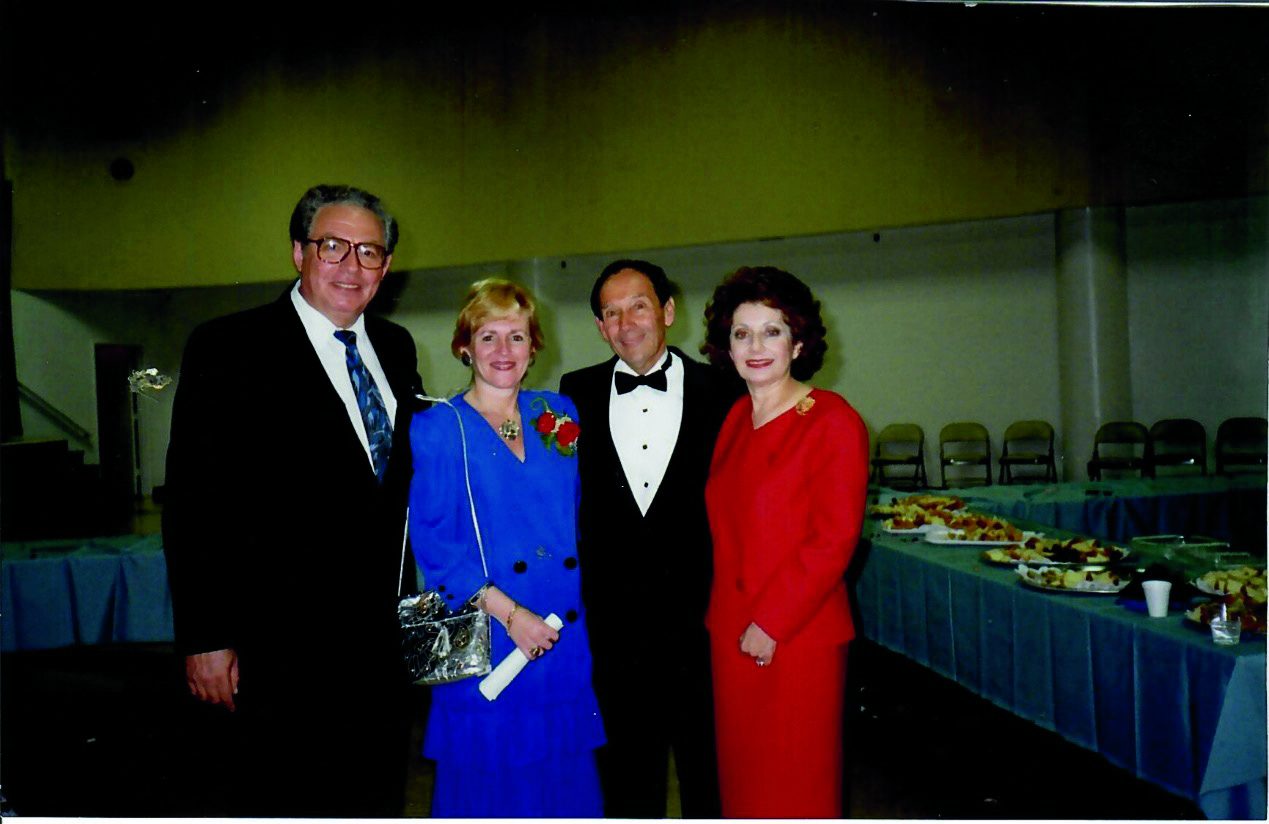
Among my treasured memories are the cantorial friends and colleagues I met while studying for the cantorate. All these years, even though we lived far away from one another, we remained quite close.
Singing with Leonard Bernstein
Another musical experience briefly comes to mind. It happened at the end of my first year in cantorial school during the summer of 1955. My friend Rafael Ferrar, a pianist I met in Puerto Rico while serving in the armed forces, called me from the music school at Tanglewood in Lenox, Massachusetts. The chorus was singing Beethoven’s “Missa Solemnis (Solemn Mass)” the following day, and he thought I’d be interested in singing along with him. I jumped at the opportunity to see my friend and was seated next to him that Sunday in the bass section ready to sing.
In walks the conductor, a young man of 37, and his name was Leonard Bernstein (1918-1990).
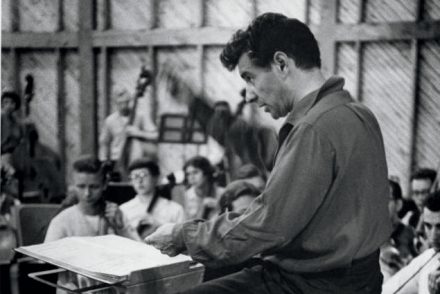
He told us how pleased he was to be working with us on one of his favorite works. He also pleaded with us to start with the right note and end with the right note and try our best to get all the other notes in between. He was as down to earth as anybody could be, very enthusiastic and with high expectations. We rose to the occasion and made him proud of our spirited rendition of the work.